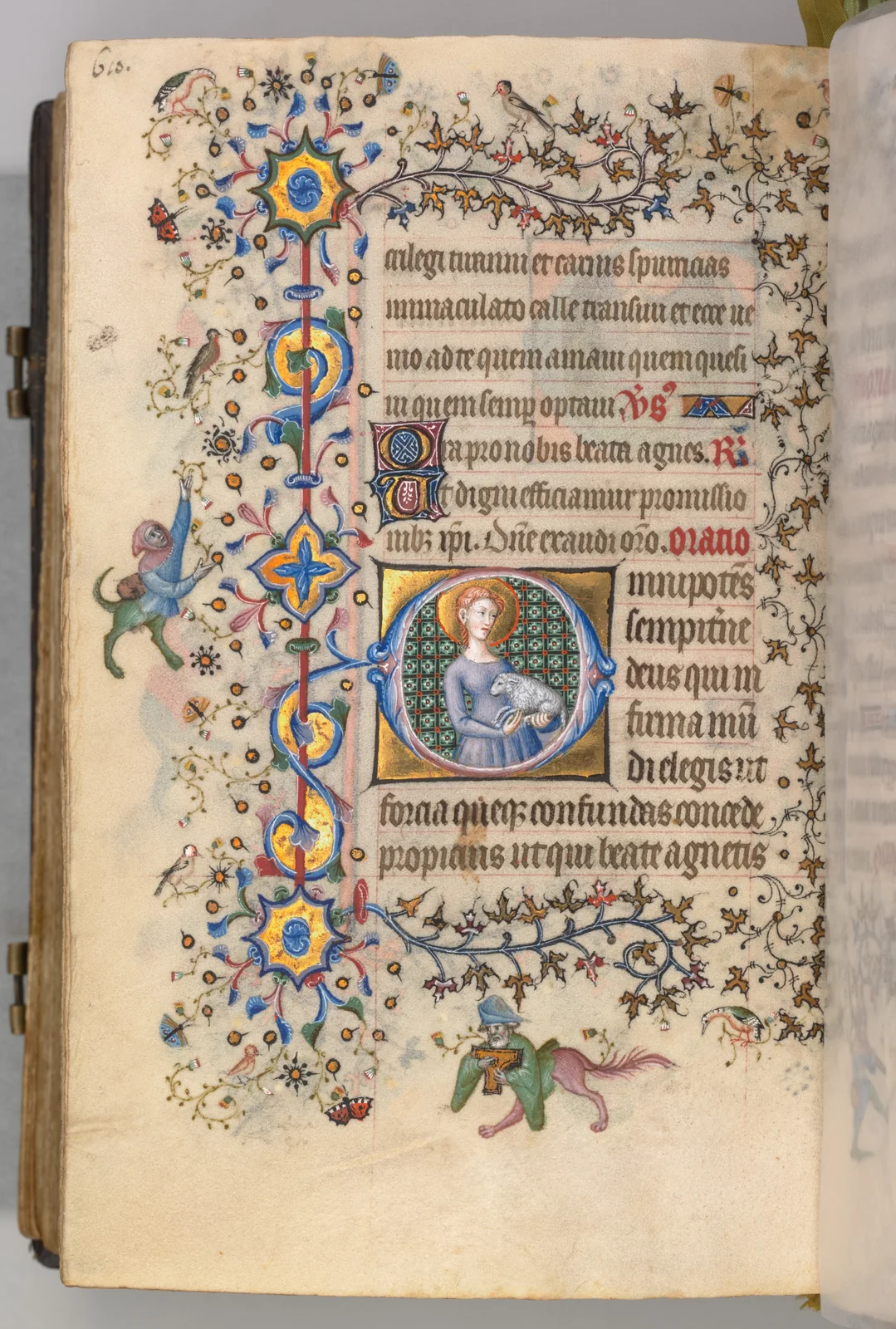
A lamb at her feet or held against her chest helps identify Agnes. Its Latin name, agnus, echoes the saint’s name.
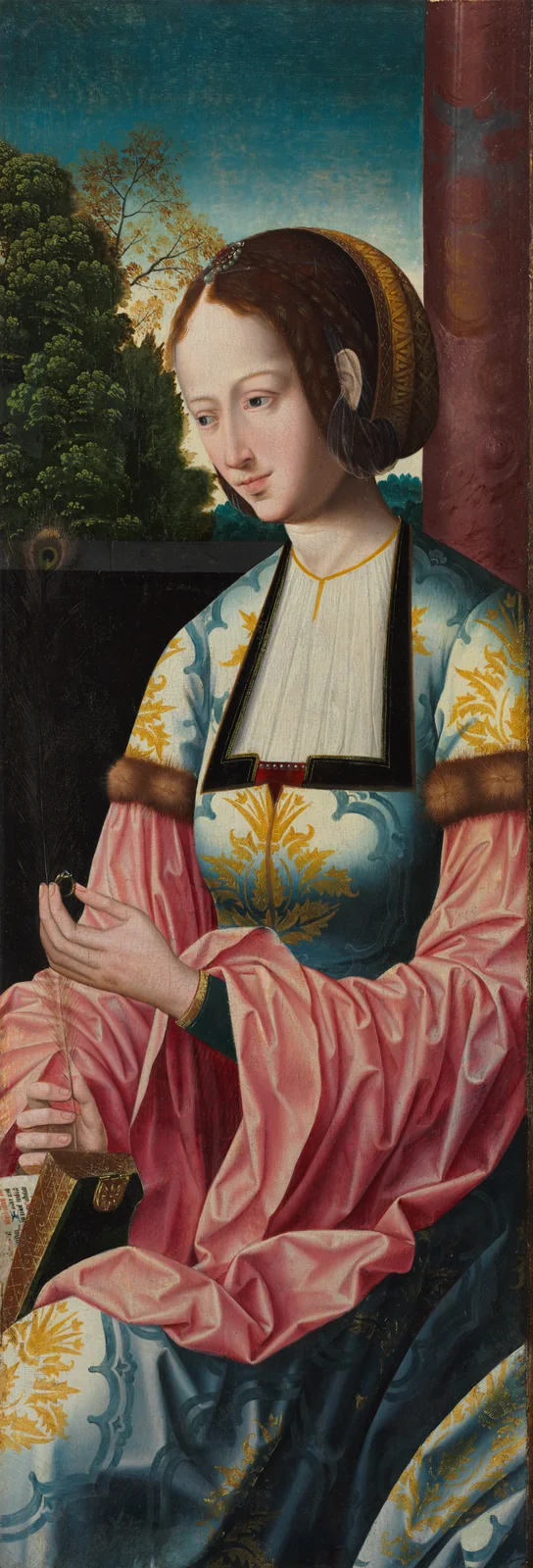
Artwork 1 · Saint Agnes in the Hours of Charles the NobleA tower may stand in the landscape or fit in Barbara’s hand. Its three windows traditionally evoke the Trinity.
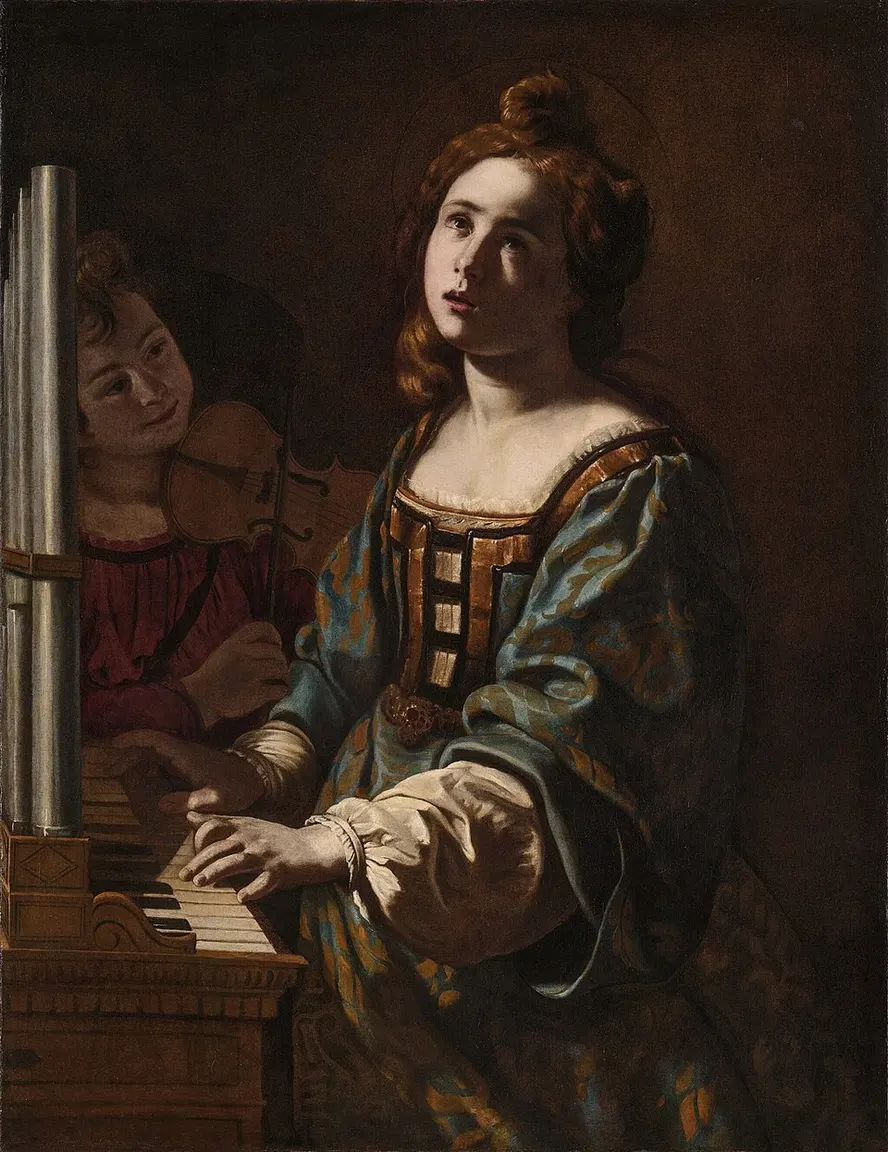
Artwork 1 · Saint BarbaraLook for the pipes of an organ beside the figure. Even a small instrument can identify Cecilia in a crowded concert of saints.
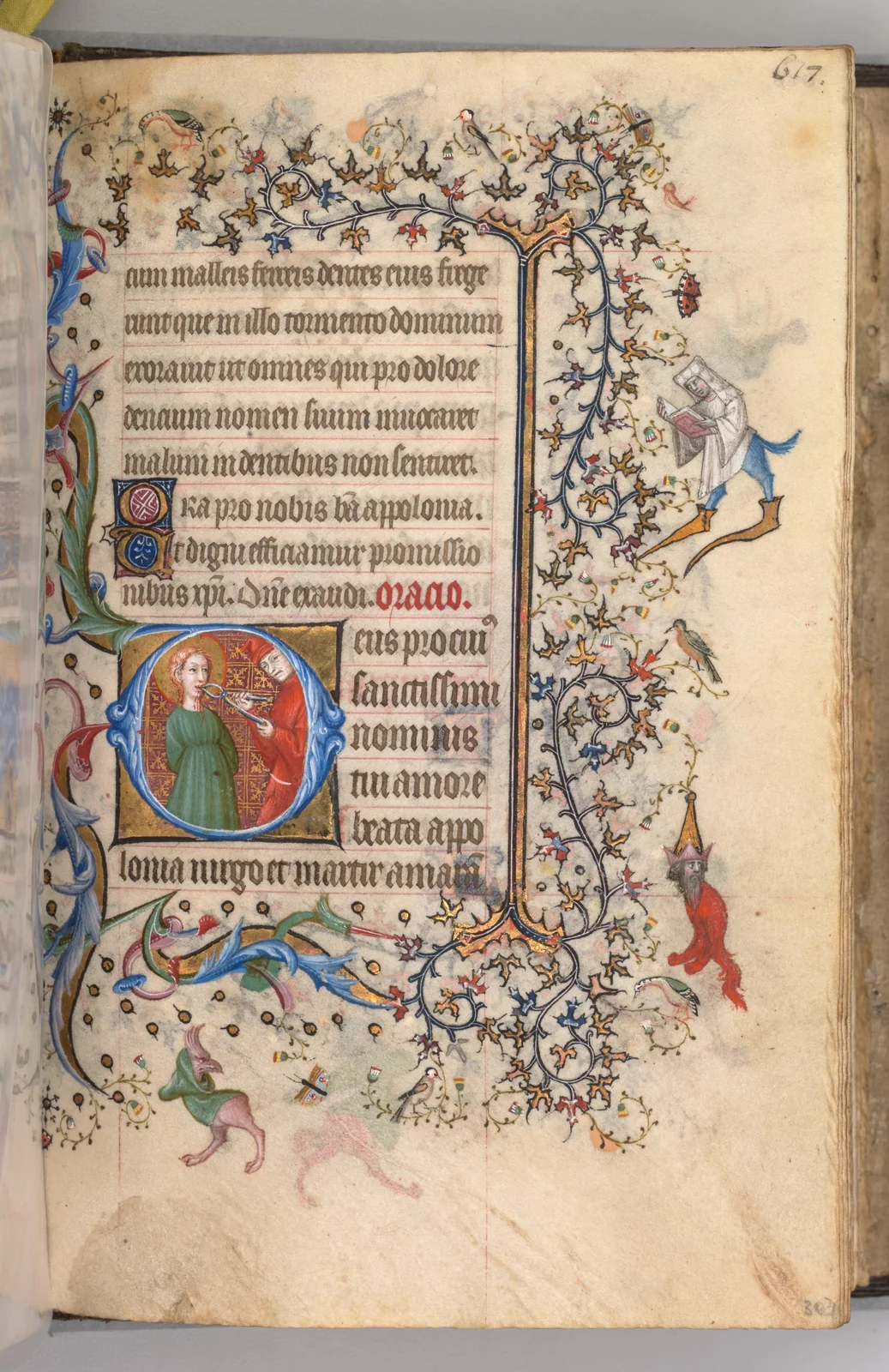
Artwork 1 · Saint Cecilia at the organA pair of pincers, sometimes gripping a tooth, distinguishes Apollonia from other martyrs carrying a palm.
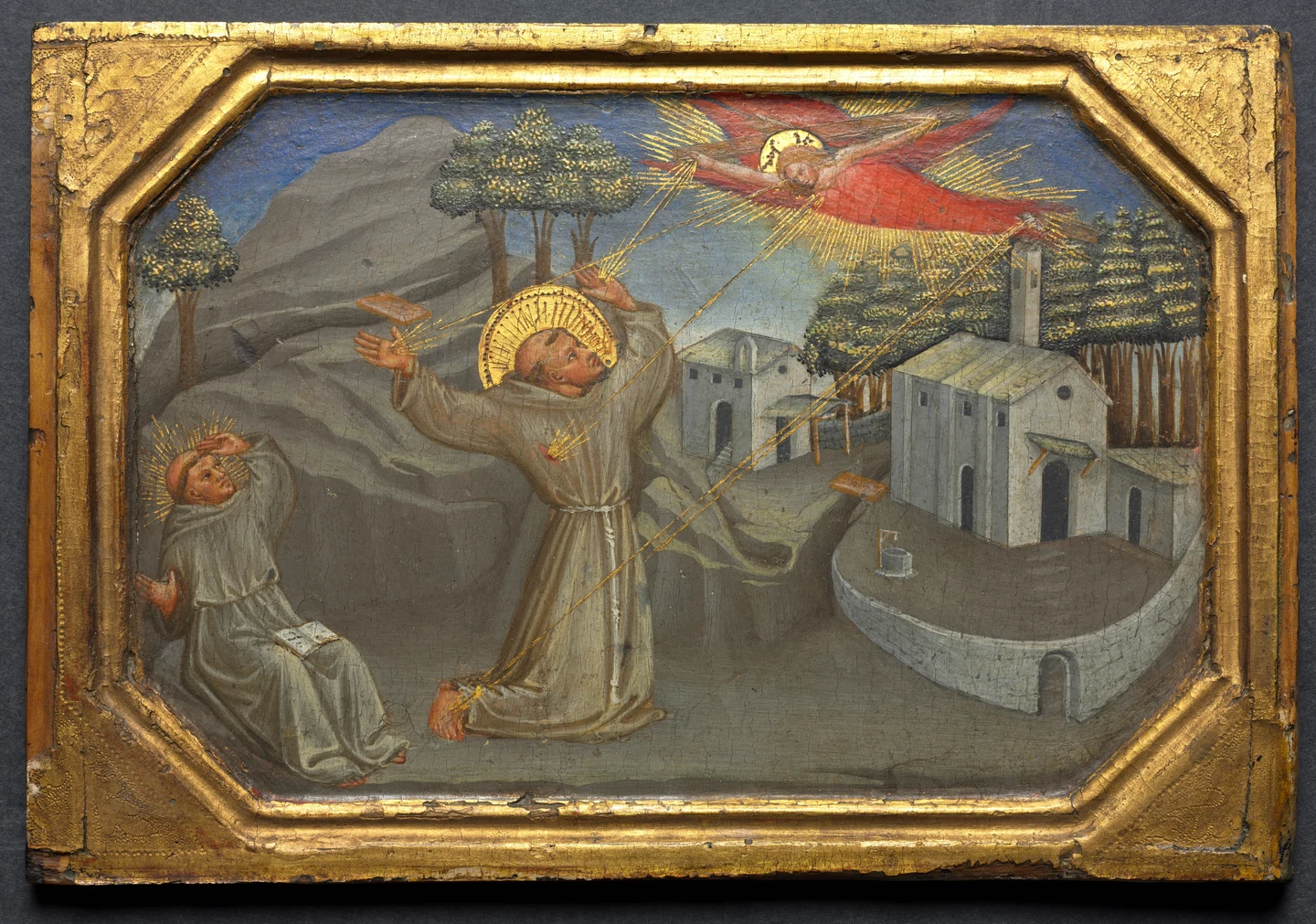
Artwork 1 · Saint Apollonia in the Hours of Charles the NobleA patched habit and a knotted cord suggest a Franciscan. Look for the wounds on the hands, feet or side to recognise Francis himself.
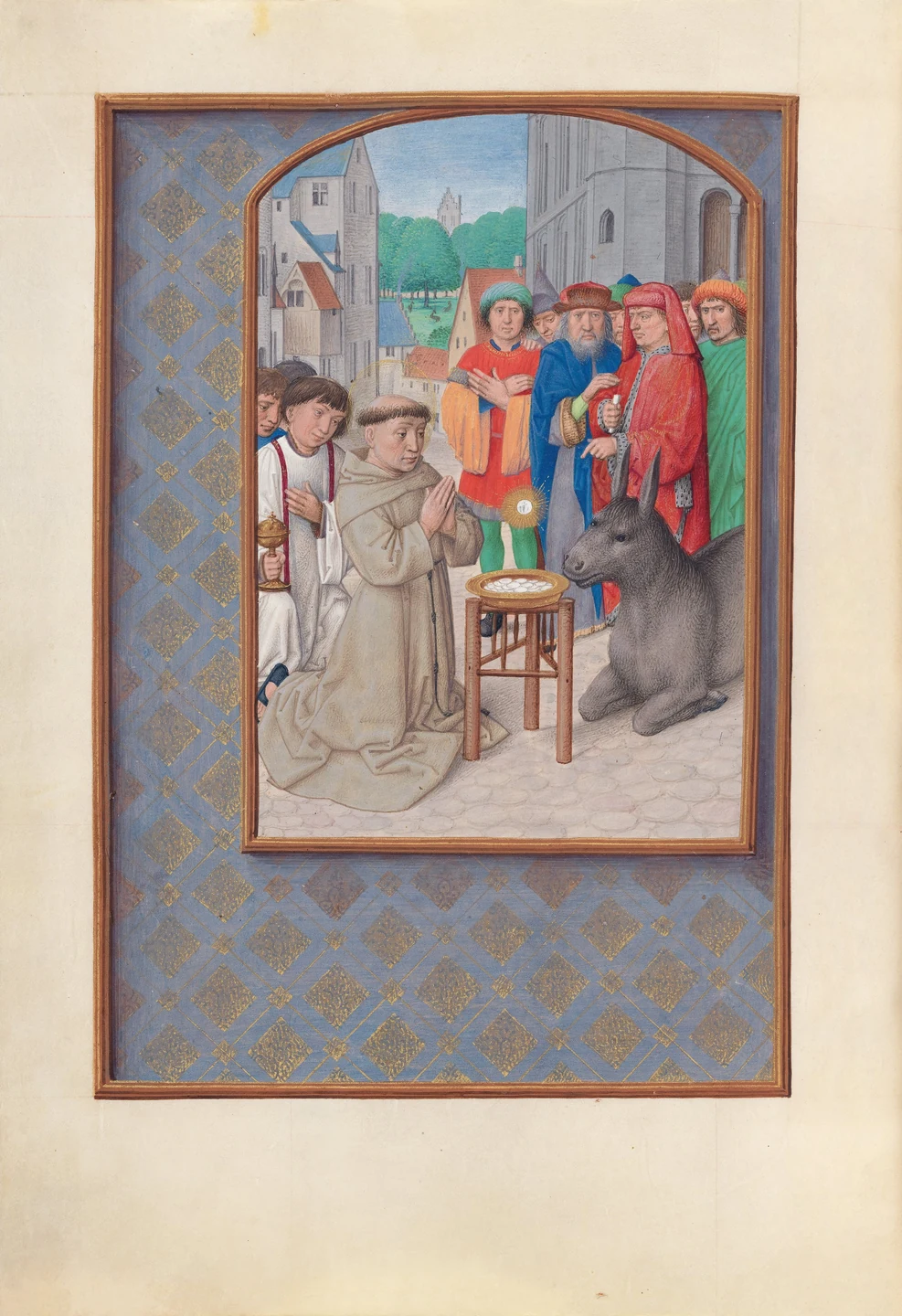
Artwork 1 · Saint Francis of Assisi Receiving the StigmataA friar holds the Christ Child, sometimes seated on a book. The Franciscan habit sets Anthony apart from Joseph in a similar scene.
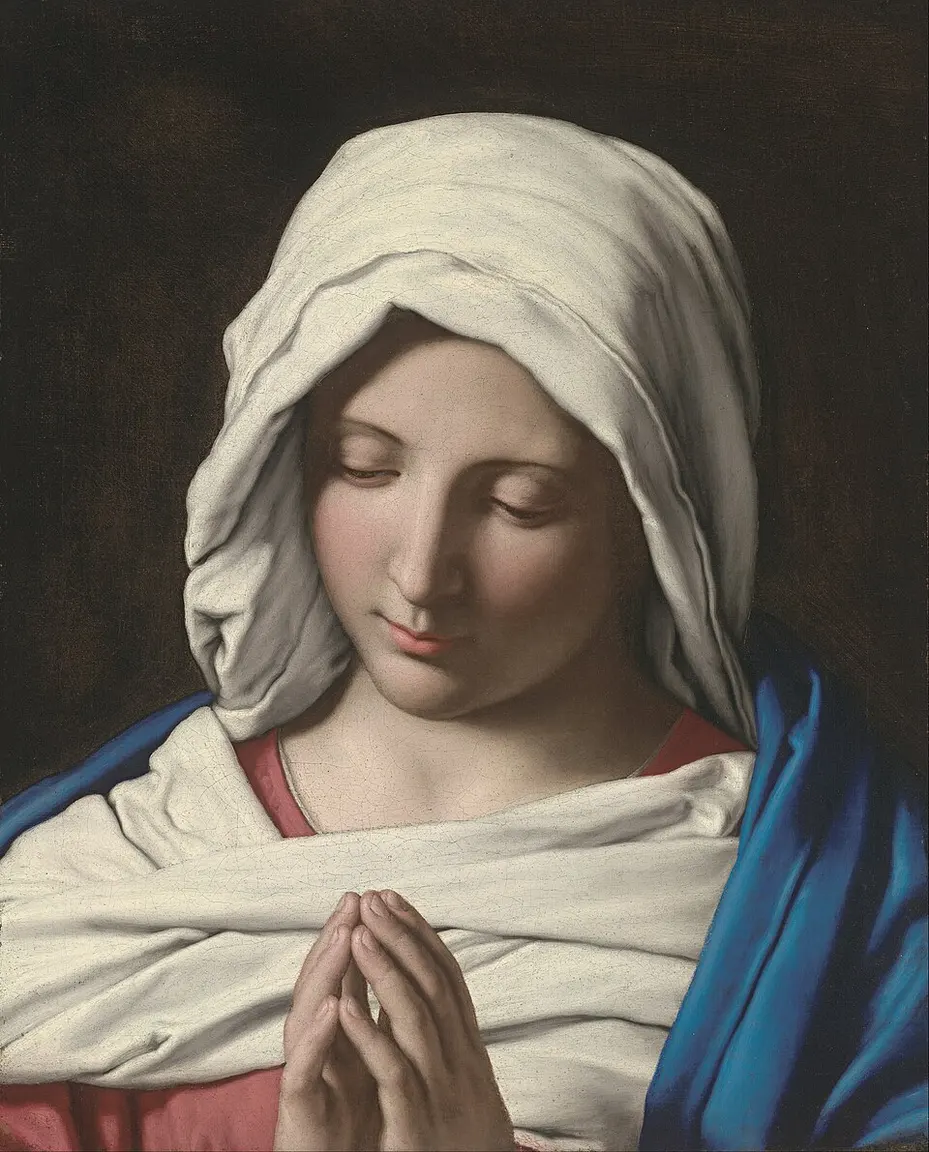
Artwork 1 · Saint Anthony of Padua, from the Hours of Queen IsabellaMary’s gesture changes with the scene. At the Annunciation she turns towards Gabriel; in a Madonna and Child she presents or cradles Jesus.
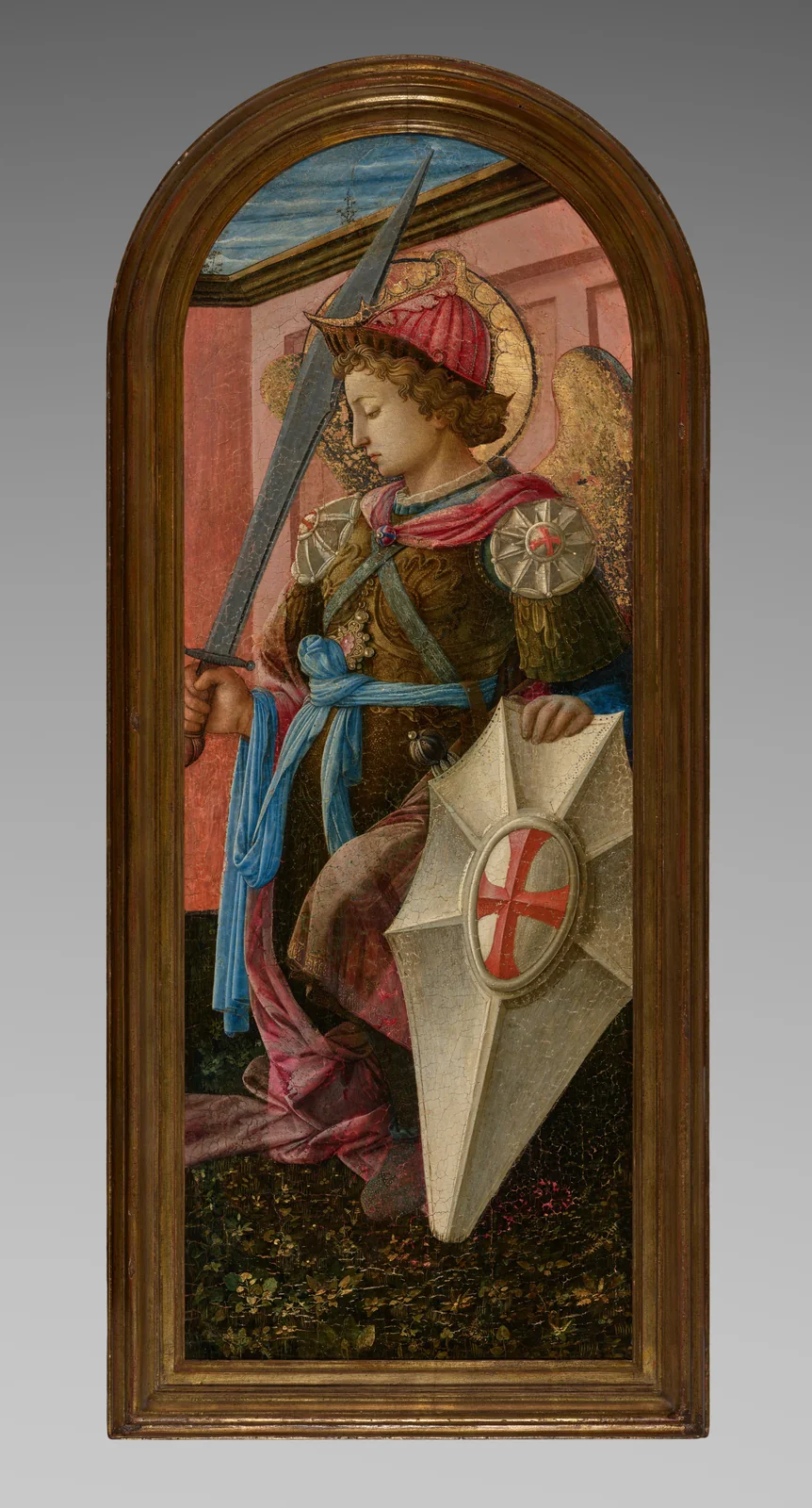
Artwork 1 · The Virgin in prayerWings distinguish this armoured figure from a mounted saint. Michael may stand over a fallen demon or hold scales to weigh souls.
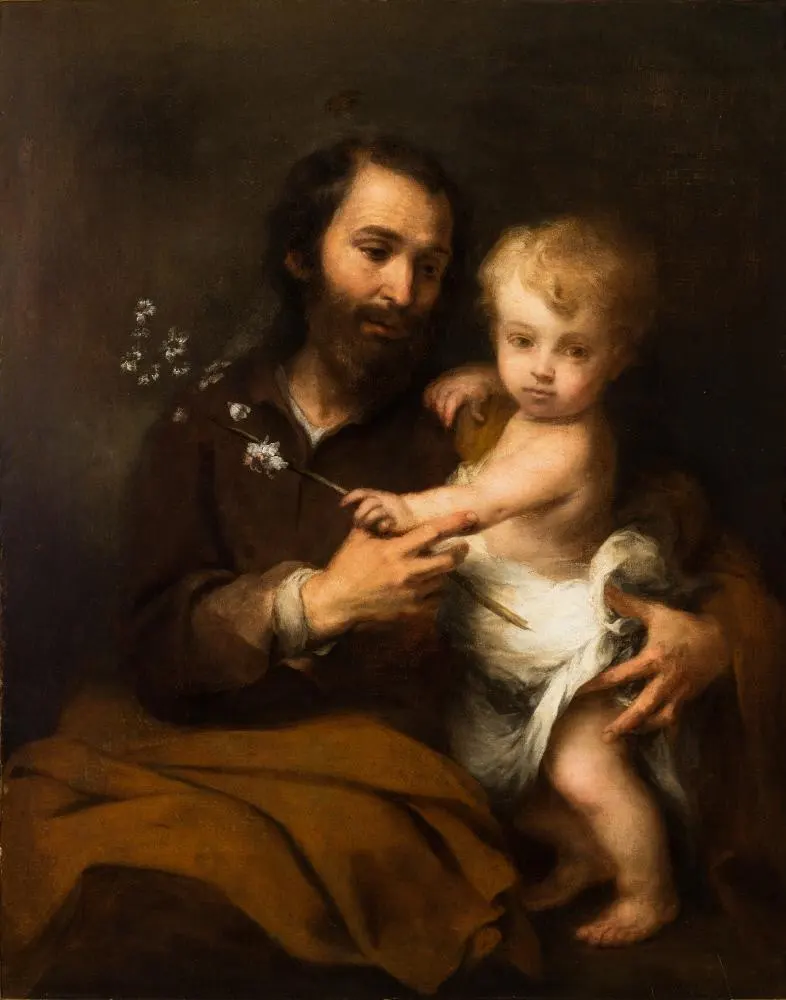
Artwork 1 · The Archangel Michael, wing of a triptychIn the Holy Family, Joseph may support the Child or work at his bench. A lily and carpenter’s tools also appear in his portraits.
Artwork 1 · Saint Joseph and the Christ Child