Winged Ox
Symbol of the Evangelist Luke
New Testament
Saint Luke the Evangelist
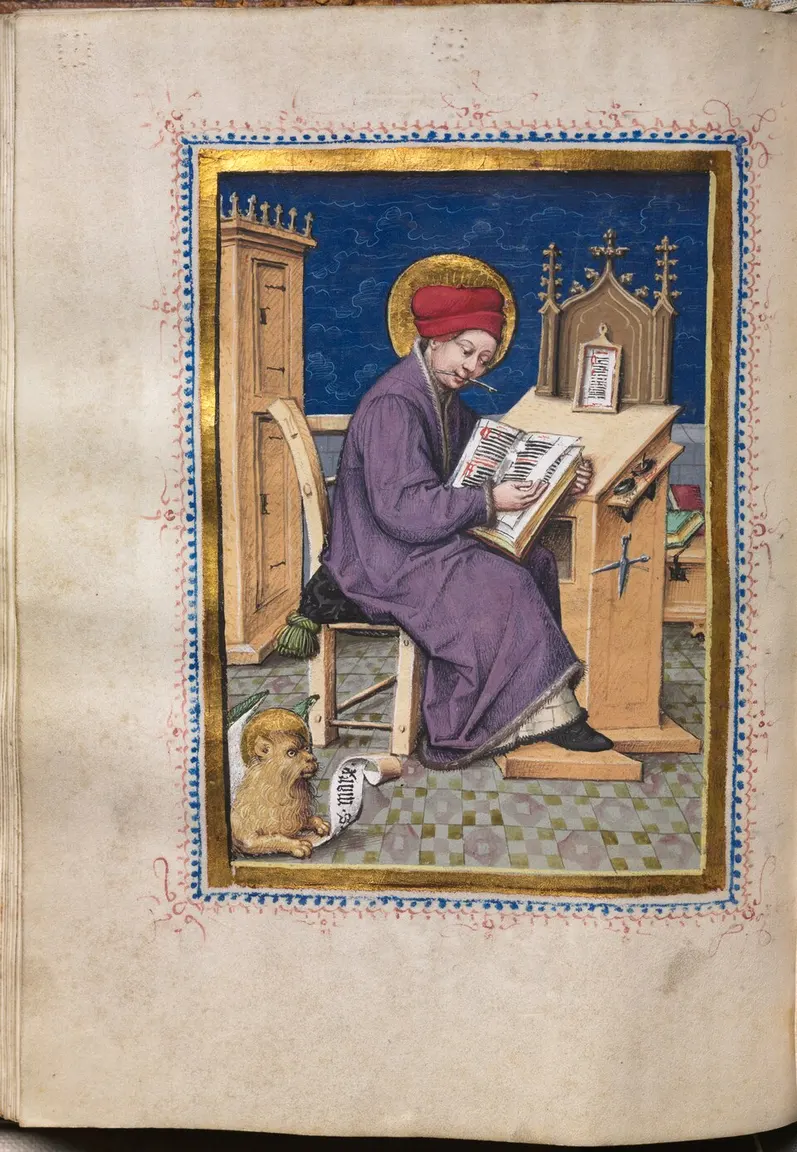
A winged ox beside the book identifies Luke the Evangelist. In another tradition he appears at an easel, painting the Virgin.
Iconographic Attributes
Iconographic field guide
Ox or winged calf symbolizes sacrifice and priestly Christology in medieval commentaries. Palette appears in “Luke painting the Virgin” legends—a meta-commentary on Christian art itself. Physician identity is rare in attributes but explains hospital dedications.
Symbol of the Evangelist Luke
Gospel and Acts—often two books or thick codex.
Divine or sanctified light around the head
Garments of the Twelve or evangelists
Author of Gospel and Acts
Traditional iconographic attribute associated with this figure in Christian art.
Biography
The third Gospel opens with a dedication to Theophilus and an account of how its author used earlier testimony. Christian tradition attributes both this Gospel and Acts to Luke, a companion of Paul. The winged ox identifies him in evangelist portraits.
Gospel of Luke; Acts; Colossians 4:14; tradition of Marian portrait.
Symbol of the Evangelist Luke
Author of Gospel and Acts
Tradition as doctor
Legend that he painted the first image of Mary
Often confused with Saint Mark: Both Gospel writers with symbolic animals
Practice