Prophet's Beard
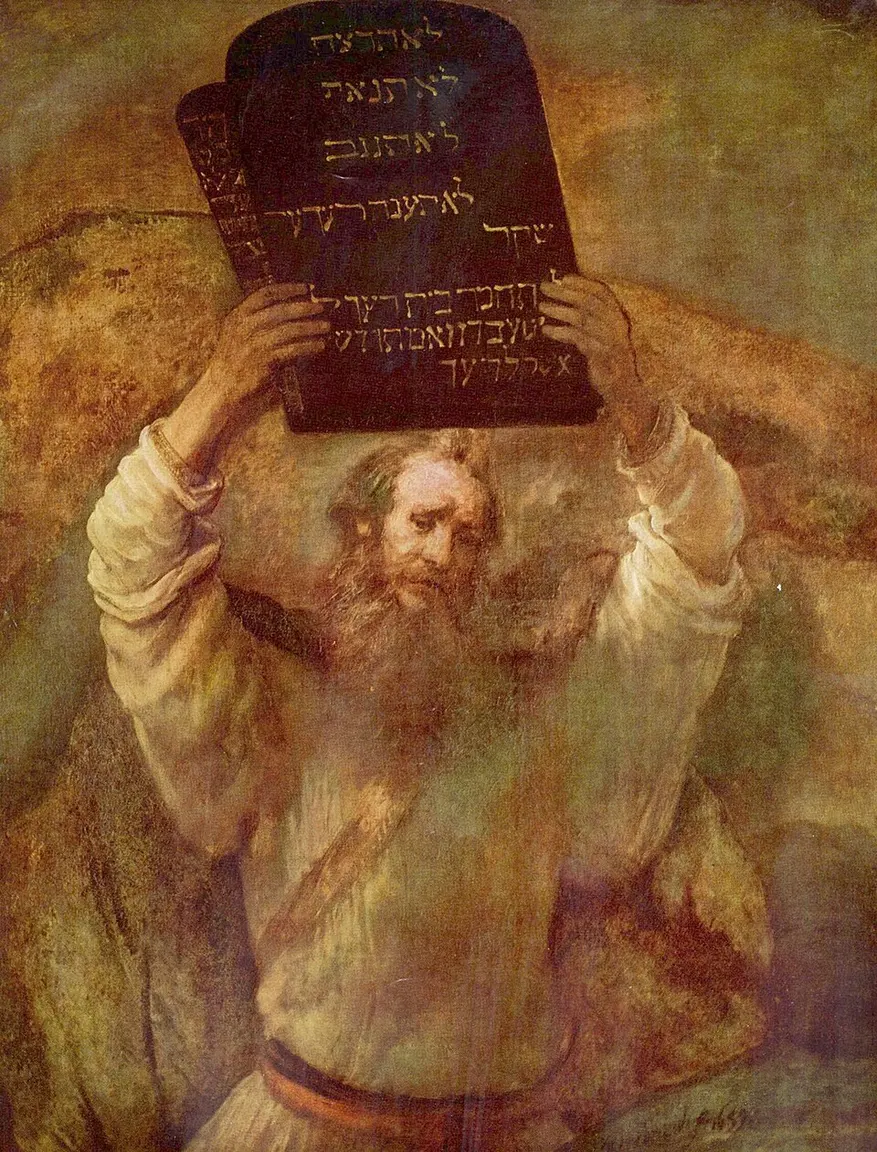
Post-Fall patriarch type; pre-Fall Adam is often beardless and nude.
Old Testament
First Man
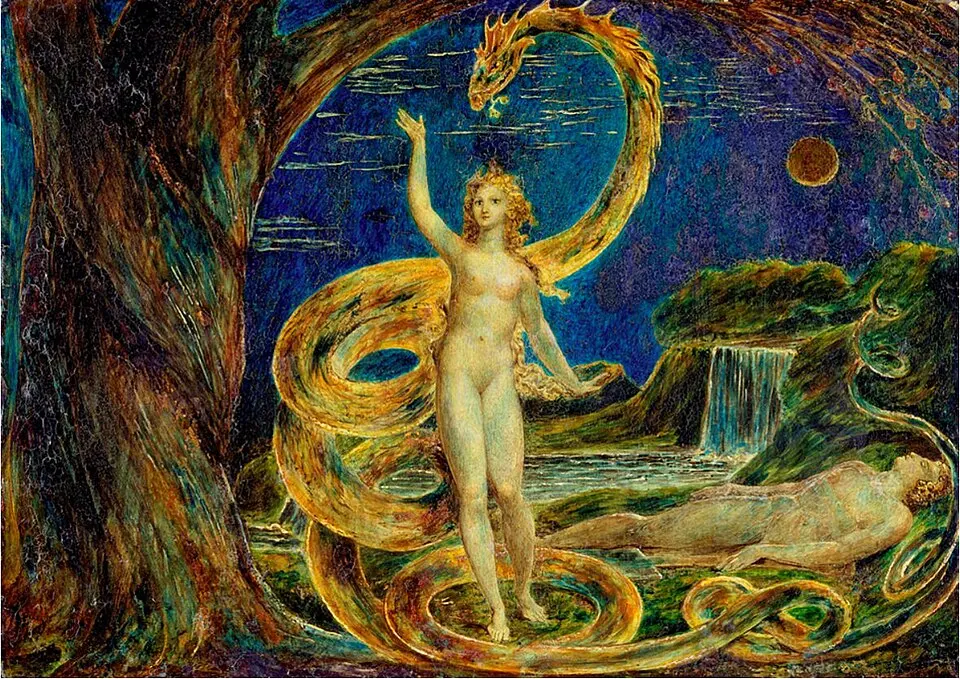
In Eden, Adam is identified by his place in the story: receiving life, taking the fruit, or leaving the garden with Eve.
Iconographic Attributes
Iconographic field guide
Creation of Adam (reaching hands), Expulsion (angel with sword), and Fall (serpent, tree) are the three lesson types. Michelangelo made the Creation detail an icon of human dignity. Christ as Second Adam wears halo and sacred robes—never nude Eden type alone.
Post-Fall patriarch type; pre-Fall Adam is often beardless and nude.
Traditional iconographic attribute associated with this figure in Christian art.
Binding place in arrow martyrdom scenes
Biography
Genesis describes the first human being formed from the earth and placed in Eden. In art Adam appears at his creation, beside Eve at the tree and in scenes of their expulsion. Michelangelo’s Sistine fresco shows the life-giving gesture between God and Adam.
Genesis 1–3; Romans 5; 1 Corinthians 15 (Second Adam typology).
Pre-Fall innocence in Eden scenes
Michelangelo Creation of Adam type
Post-Fall shame leaving Eden
Temptation and Fall narratives
Often confused with Eve: Almost always paired in Eden/Fall scenes; identify by narrative role
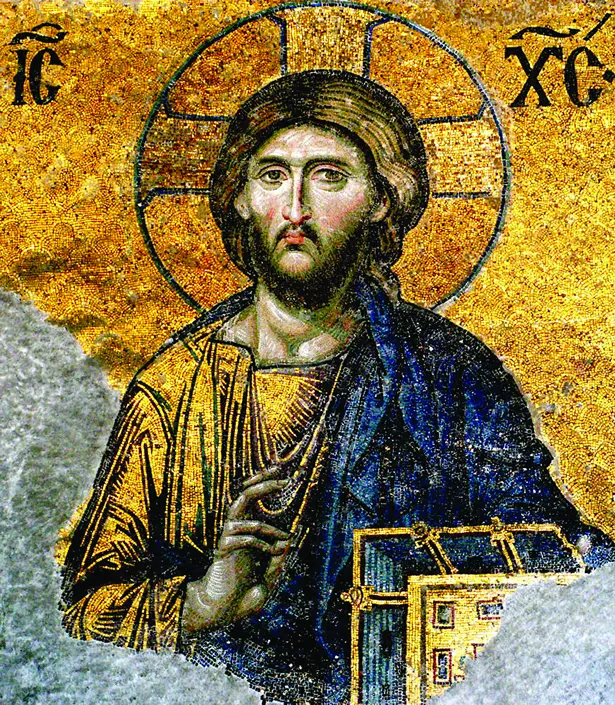
Often confused with Jesus Christ: Second Adam typology; Christ has halo and sacred attributes
Practice