Prophet's Beard
Wilderness prophet—pair with raven, fire, or chariot.
Old Testament
Elias
Ravens bringing food identify Elijah in the wilderness. A fiery chariot appears in the account of his departure before Elisha.
Iconographic Attributes
Iconographic field guide
Ravens with bread, Carmel altar fire, and fiery chariot are the three pillars. Hairy mantle distinguishes him from court prophets. John the Baptist echoes Elijah but wears camel skin and points to the Lamb.
Wilderness prophet—pair with raven, fire, or chariot.
Wilderness prophet type
Contest with prophets of Baal
Biography
The books of Kings recount how ravens fed Elijah and how he challenged the prophets of Baal on Mount Carmel. In 2 Kings 2 a fiery chariot separates him from Elisha, and a whirlwind carries Elijah to heaven. Artists often picture him riding the chariot.
1–2 Kings; Malachi 4:5; Carmelite spiritual tradition; Transfiguration presence.
Fed by ravens at the brook Cherith
Ascension in 2 Kings 2
Wilderness prophet type
Contest with prophets of Baal
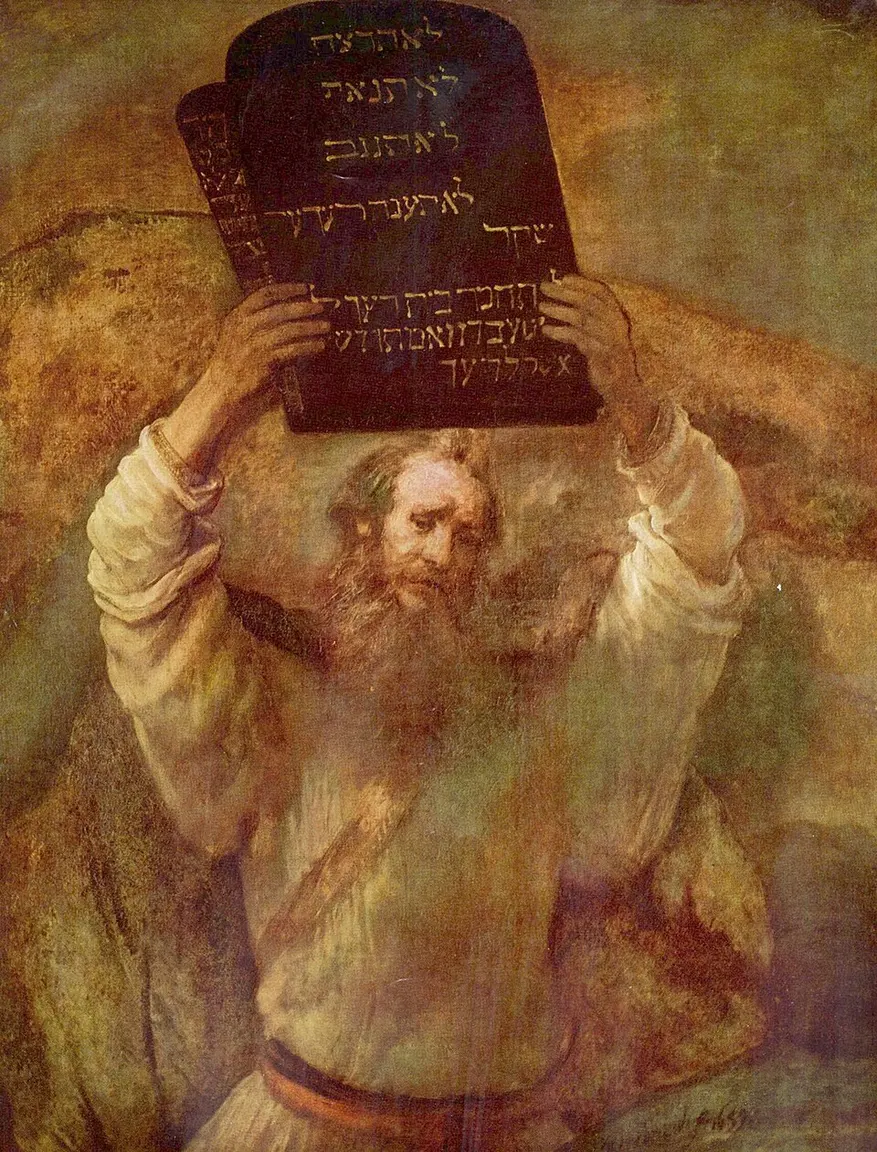
Often confused with Moses: Both prophets with beard; chariot or ravens identify Elijah
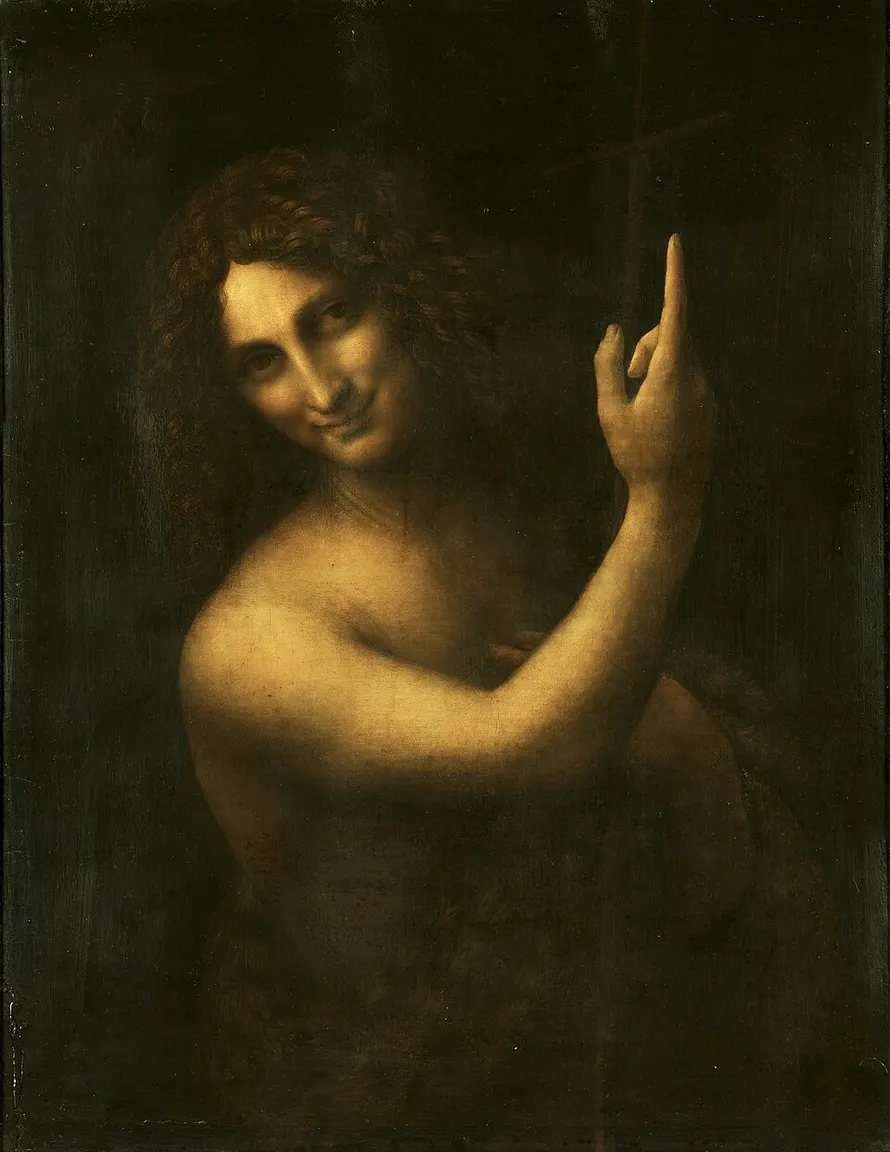
Often confused with John the Baptist: New Elijah typology; Baptist has lamb and camel skin
Practice