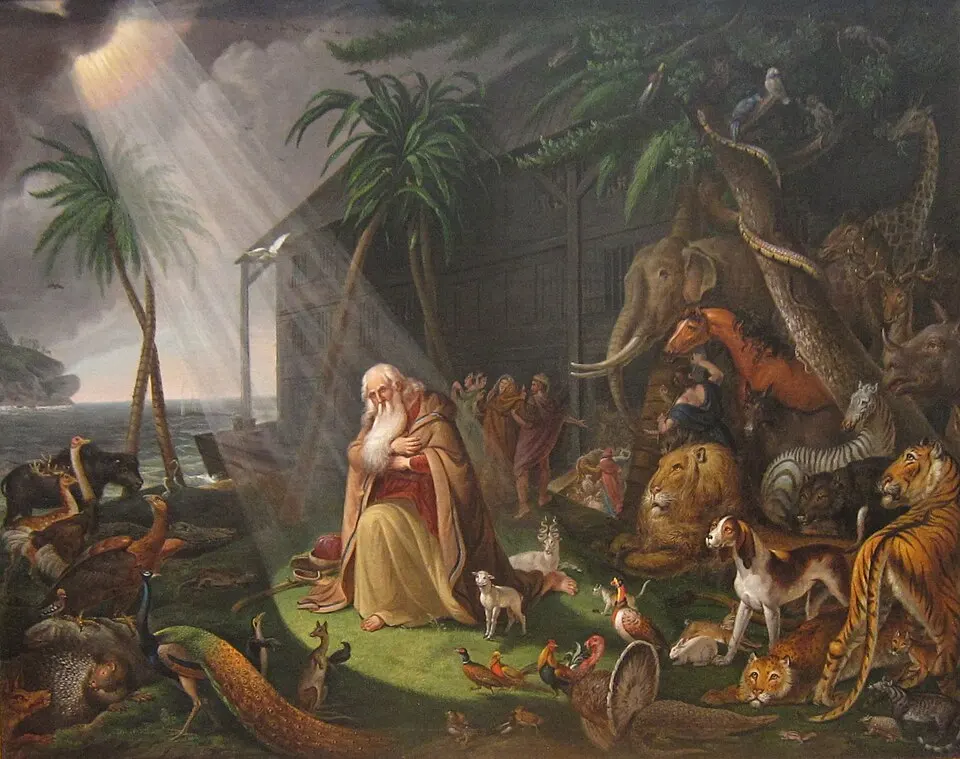
An ark filled with animals identifies the flood narrative. A dove can mark the later moment when Noah tests whether the waters have receded.
Artwork 1 · Noah and his arkIn Eden, Adam is identified by his place in the story: receiving life, taking the fruit, or leaving the garden with Eve.
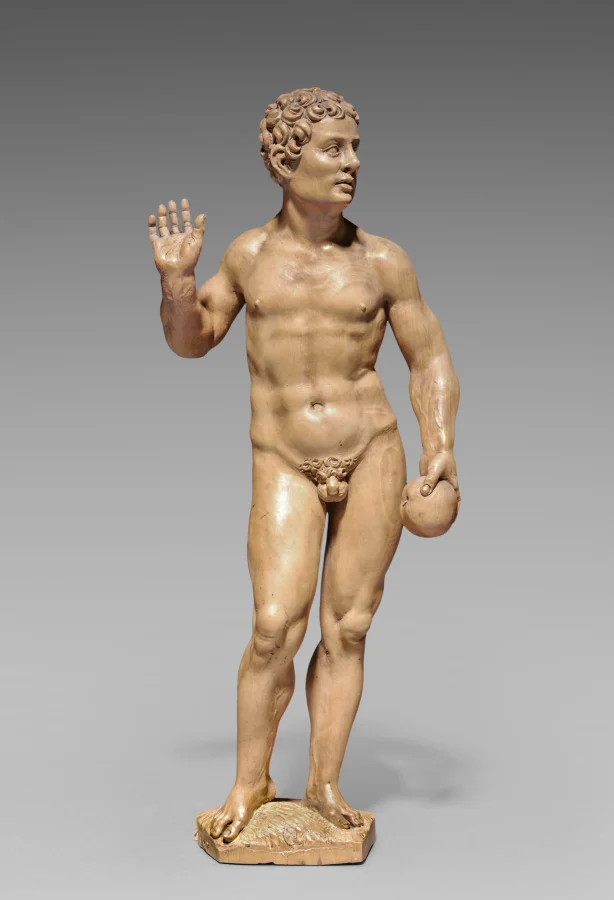
Artwork 1 · AdamA figure reaching towards the fruit beside the serpent belongs to the temptation in Eden. Outside the garden, Eve often appears with Adam.
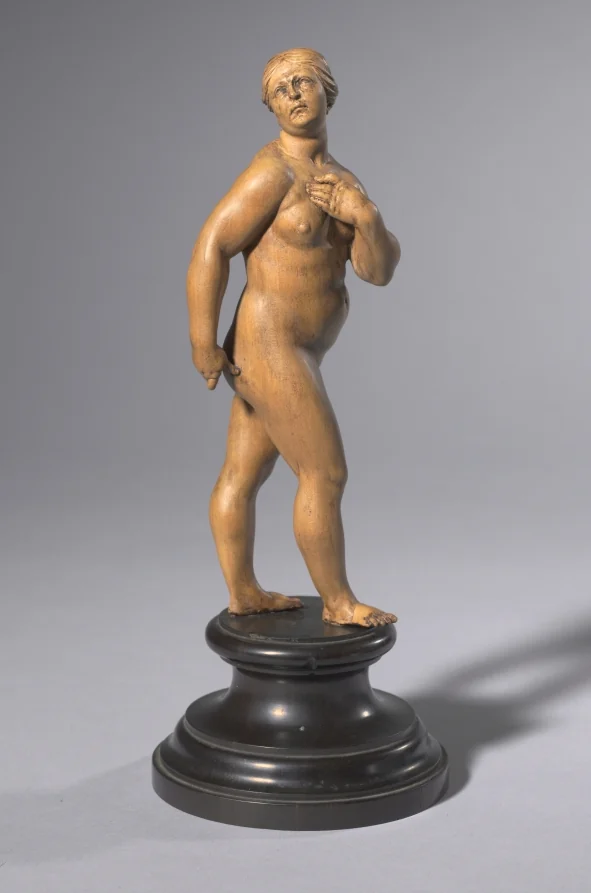
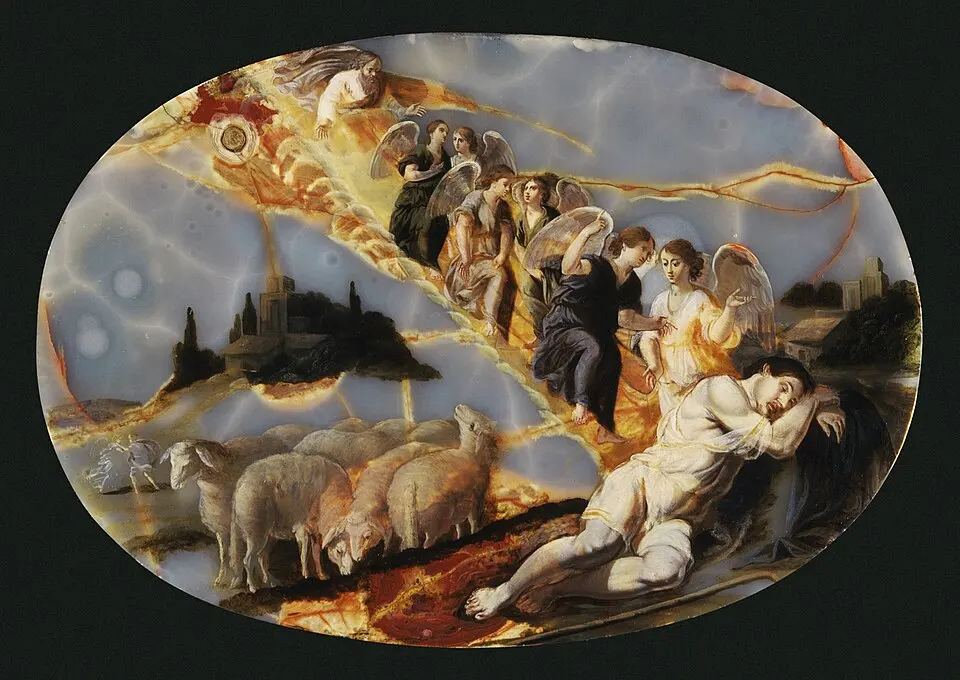
Artwork 1 · Eve Expelled from ParadiseA ladder linking earth and heaven marks Jacob’s dream. A lone wrestling match at night belongs to a different episode in his story.
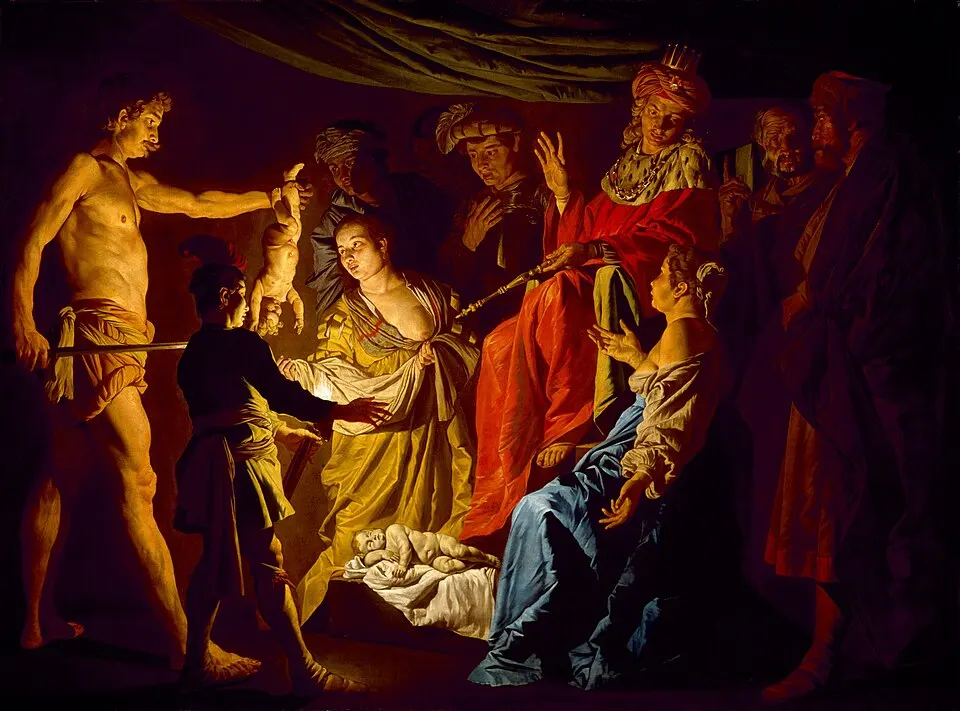
Artwork 1 · Jacob’s dreamA king, two women and a disputed child form the scene of Solomon’s judgement. The figures’ gestures help explain his decision.
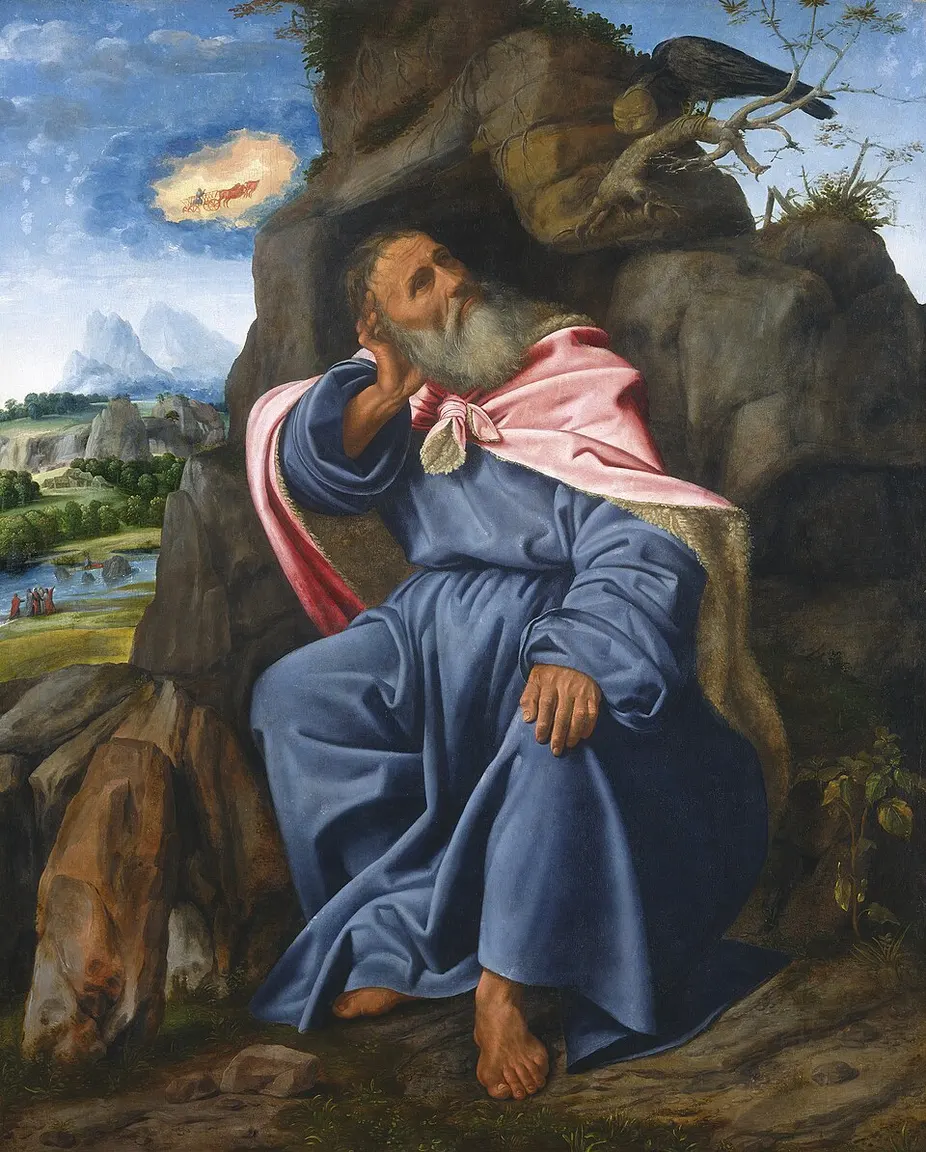
Artwork 1 · The judgment of SolomonRavens bringing food identify Elijah in the wilderness. A fiery chariot appears in the account of his departure before Elisha.
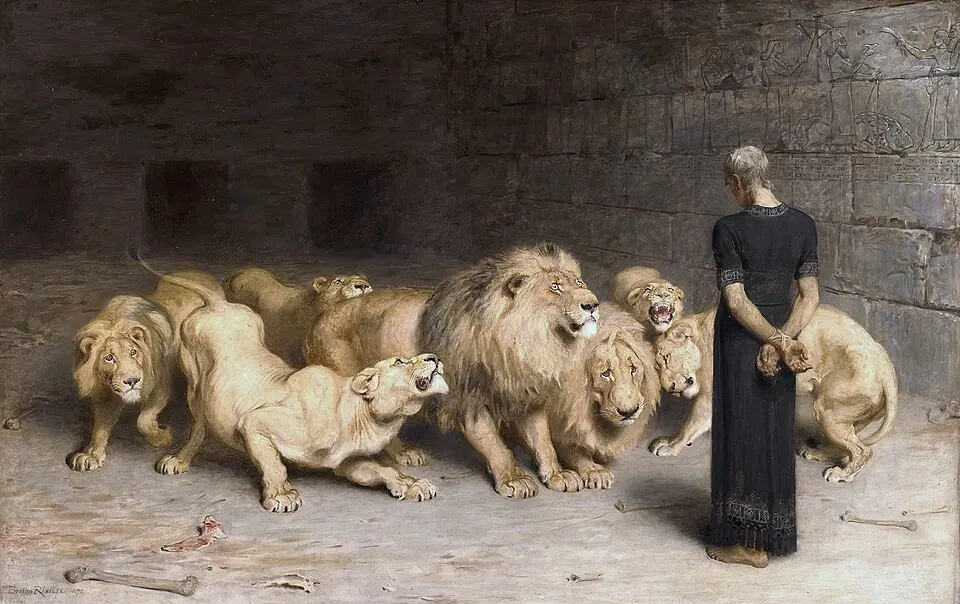
Artwork 1 · Elijah fed by ravensLions gathered around a living man point to Daniel in the den. Their stillness or restless movement can shape the mood of the scene.
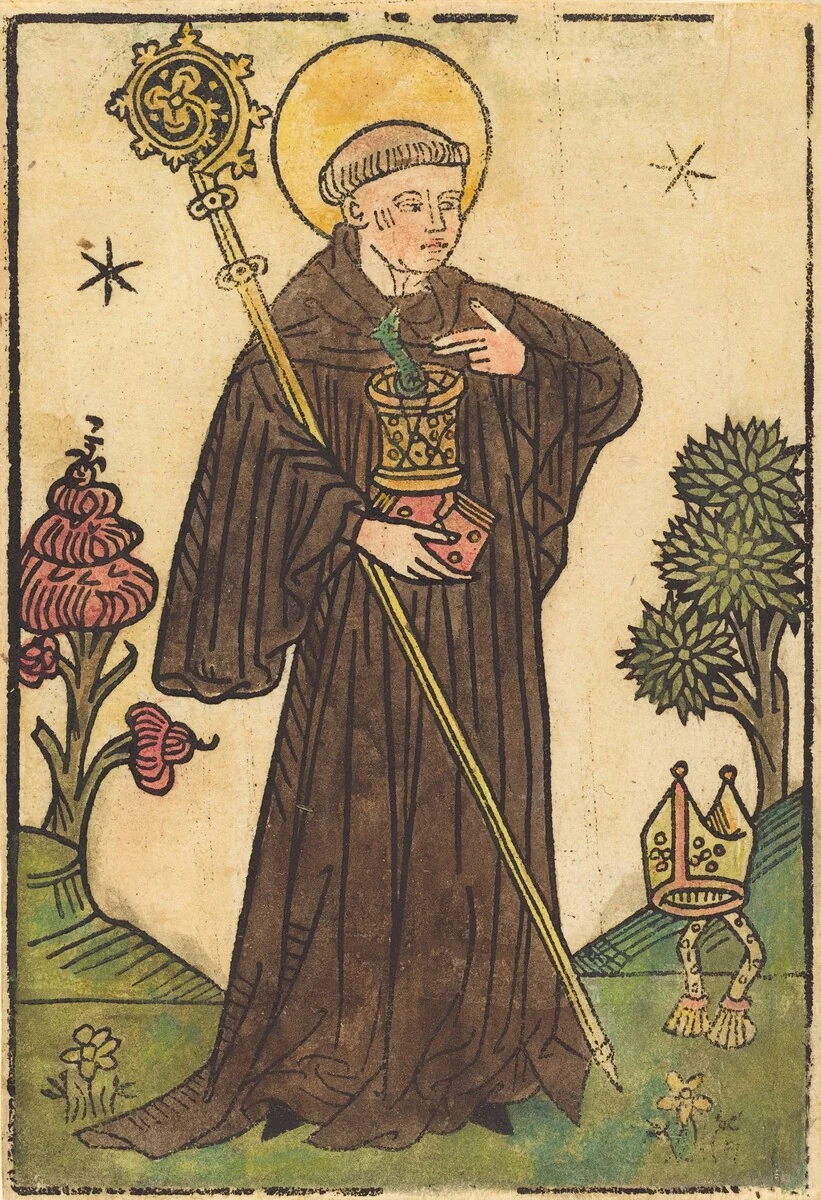
Artwork 1 · Daniel in the lions’ denA monastic rule, an abbot’s crozier and the cup from a story about poison help identify Benedict of Nursia.
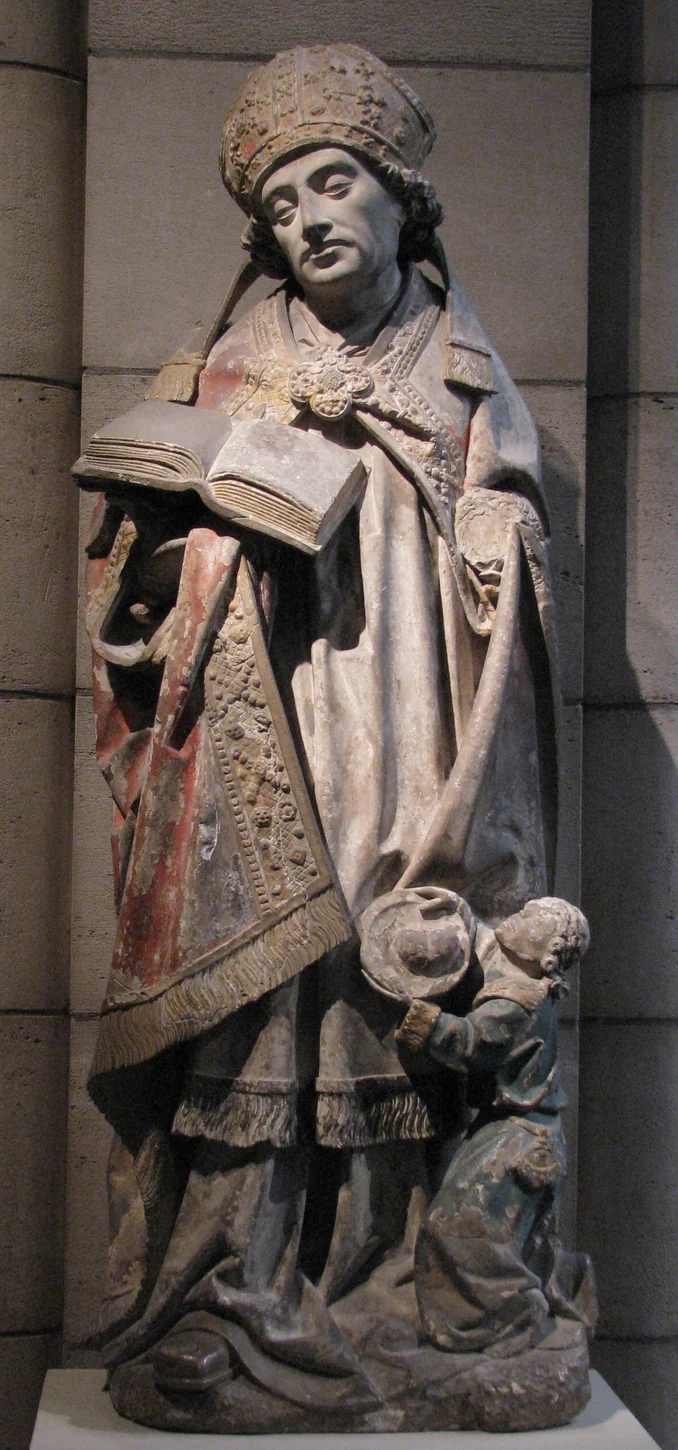
Artwork 1 · Saint BenedictThe bishop of Hippo often appears with a book and a heart, an emblem of the spiritual search he recounts in Confessions.
Artwork 1 · Saint Augustine