Prophet's Beard
Venerable patriarch—paired with knife, altar, or angels for secure ID.
Old Testament
Abram
At the sacrifice of Isaac, follow the raised knife to the angel who stops Abraham. The ram is another clue to the episode.
Iconographic Attributes
Iconographic field guide
Sacrifice of Isaac is the dominant teaching image: knife raised, ram substituted, altar smoke. Hospitality scenes show three men at table under the oak of Mamre. Distinguish from Moses (tablets), Joseph (carpenter tools), and generic patriarchs without narrative props.
Venerable patriarch—paired with knife, altar, or angels for secure ID.
Sacrifice of Isaac (Akedah) narrative
Sacrifice scene context
Biography
In Genesis, Abraham receives the promise that his descendants will form a great people. In the binding of Isaac, an angel intervenes before Abraham can sacrifice his son. The knife, the ram and the angel’s gesture identify the scene in art.
Genesis 12–25; Romans 4; Galatians 3; Jewish and Christian Akedah traditions.
Sacrifice of Isaac (Akedah) narrative
Venerable father of nations type
Hospitality at Mamre (Genesis 18)
Sacrifice scene context
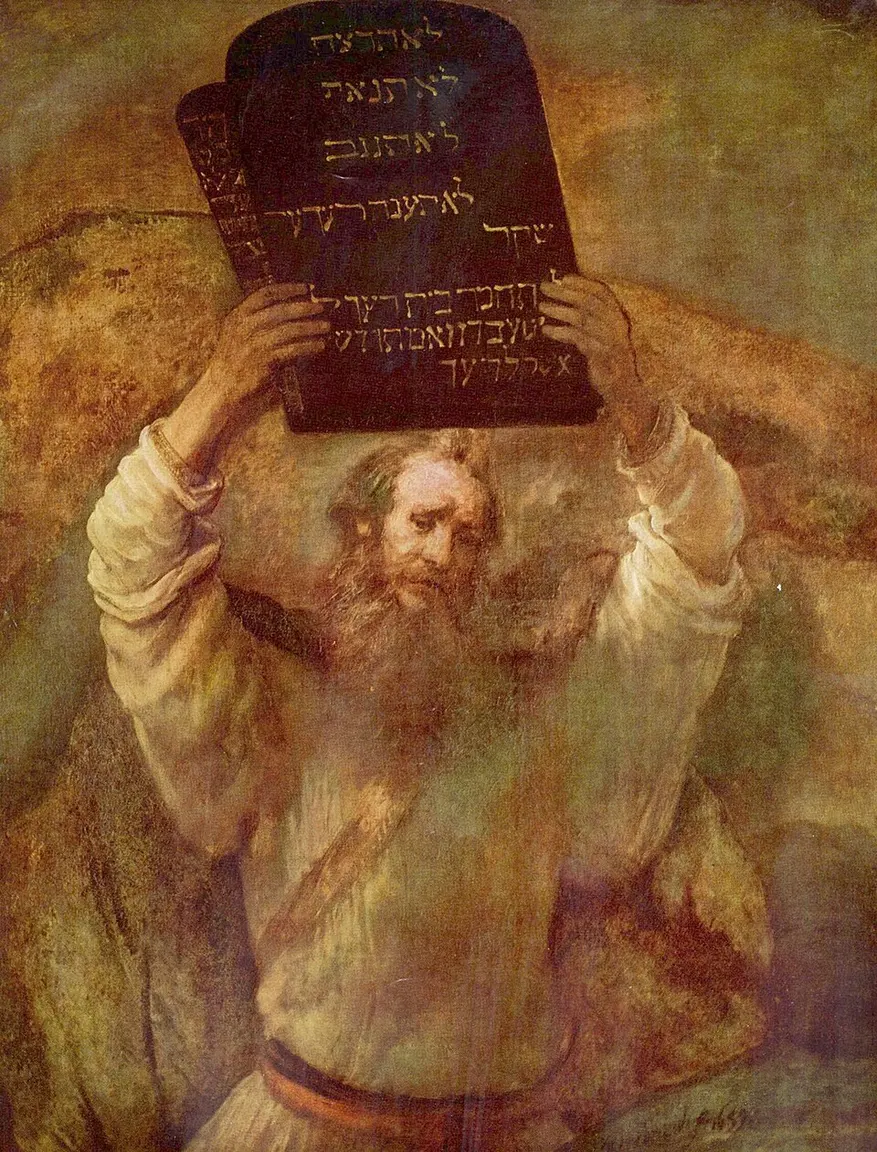
Often confused with Moses: Both bearded lawgiver/patriarch types; tablets identify Moses
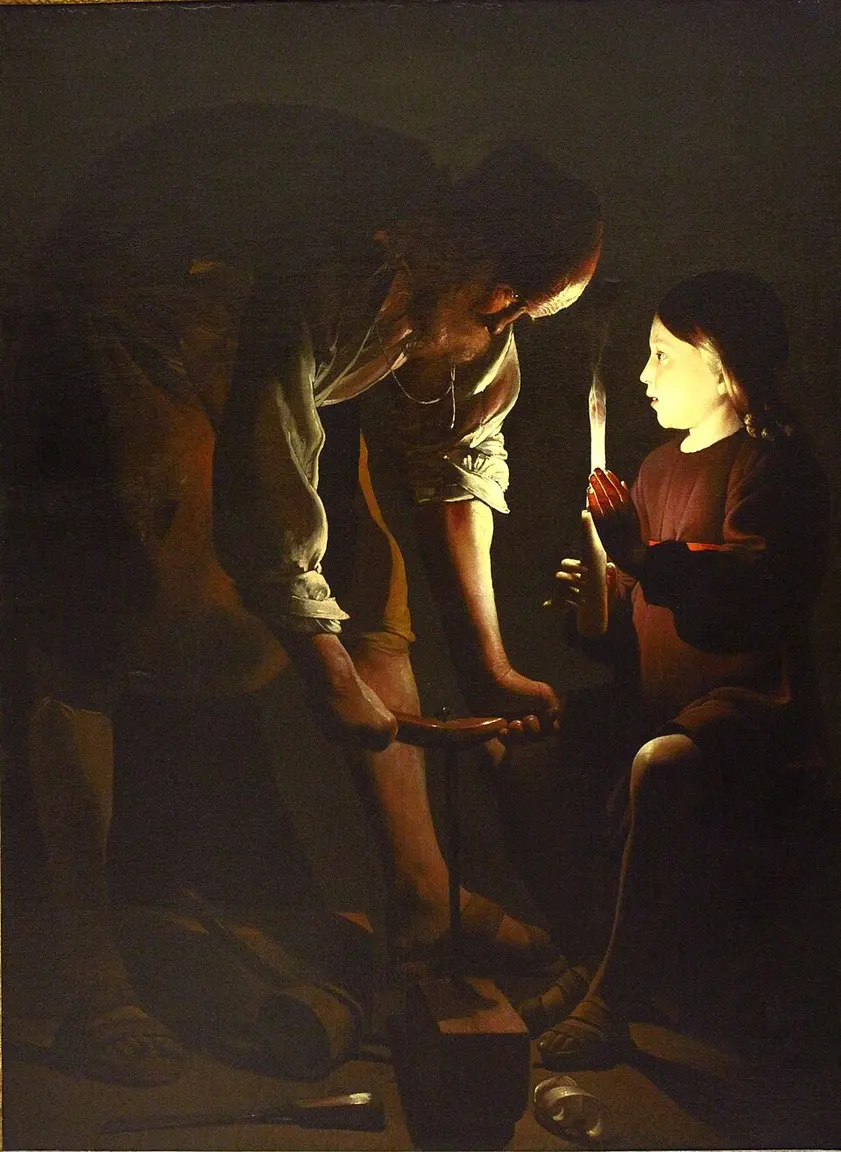
Often confused with Saint Joseph: Both elderly bearded patriarchs in narrative art
Practice