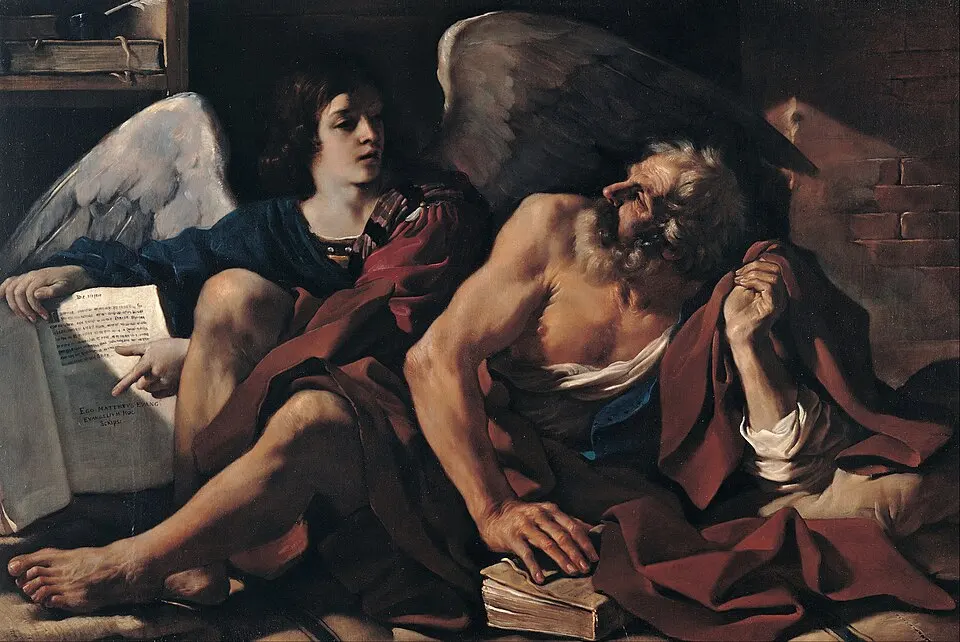
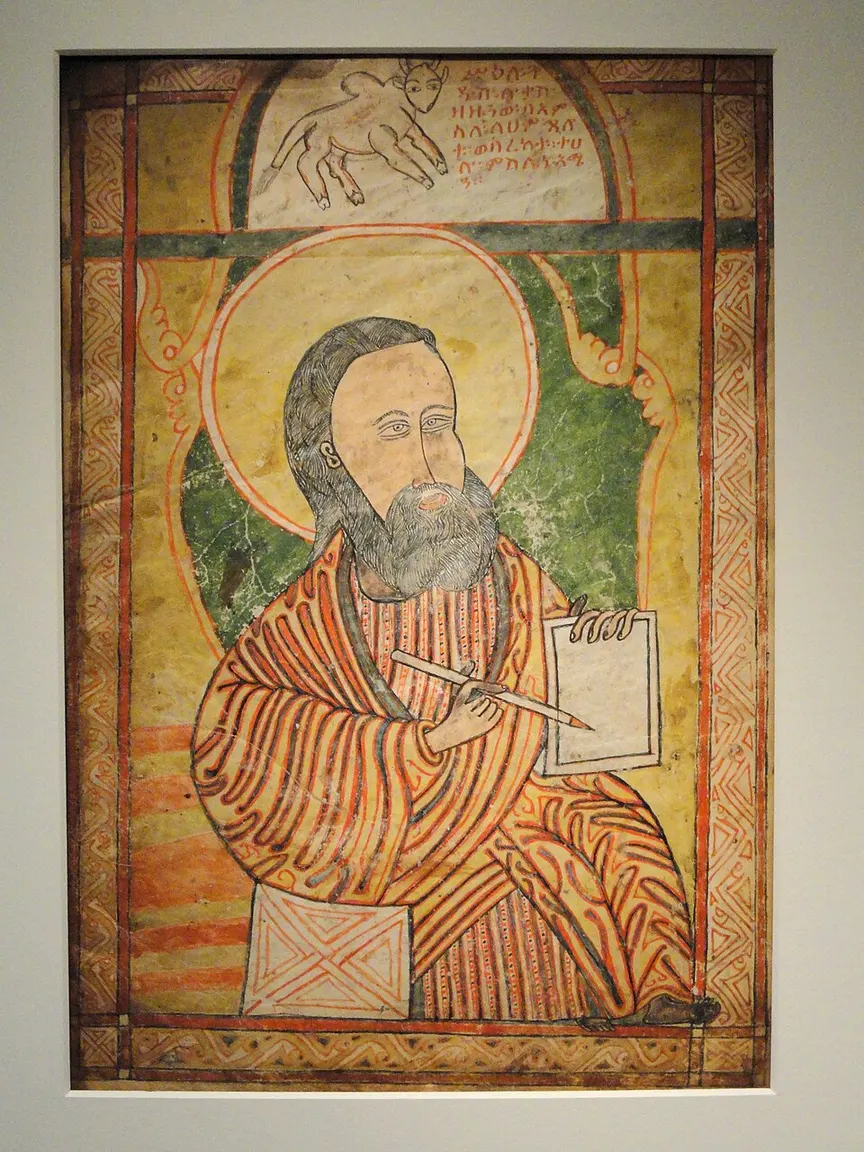
A winged ox beside the book identifies Luke the Evangelist. In another tradition he appears at an easel, painting the Virgin.
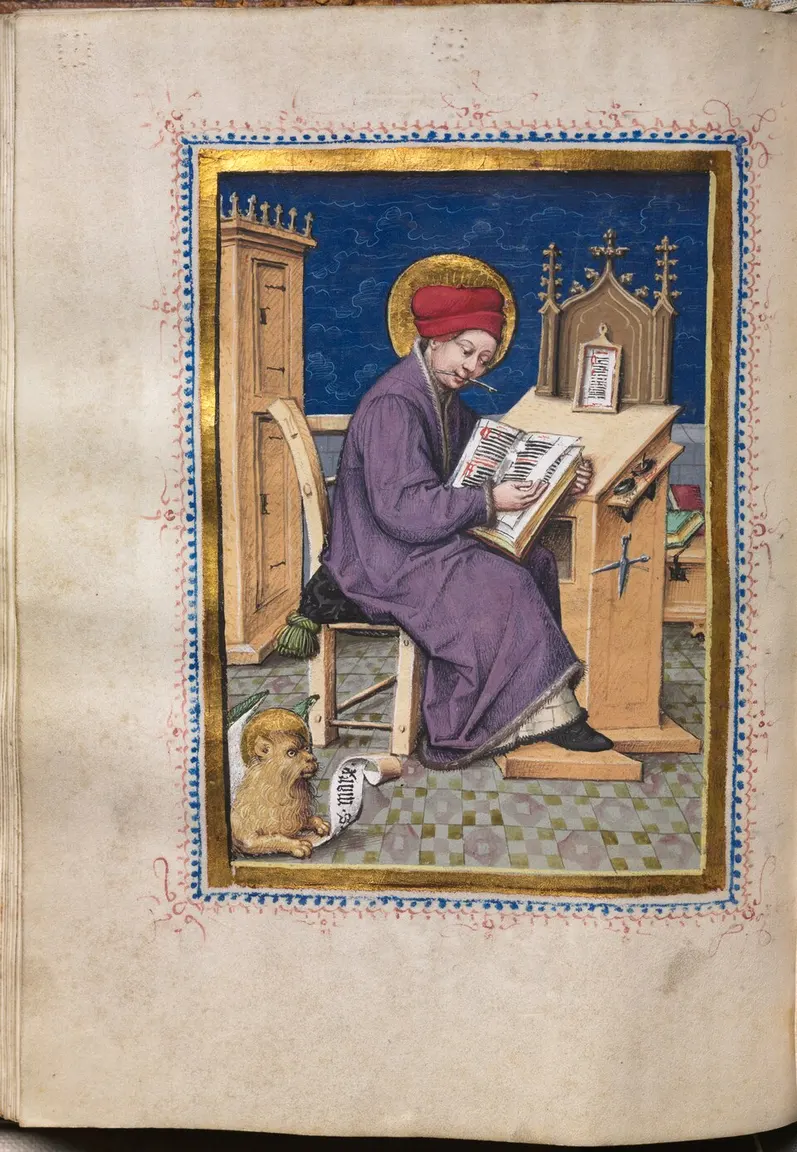
Artwork 1 · Saint Luke the EvangelistLook for the winged lion beside the Gospel book. This emblem of Mark also appears on buildings and banners in Venice.
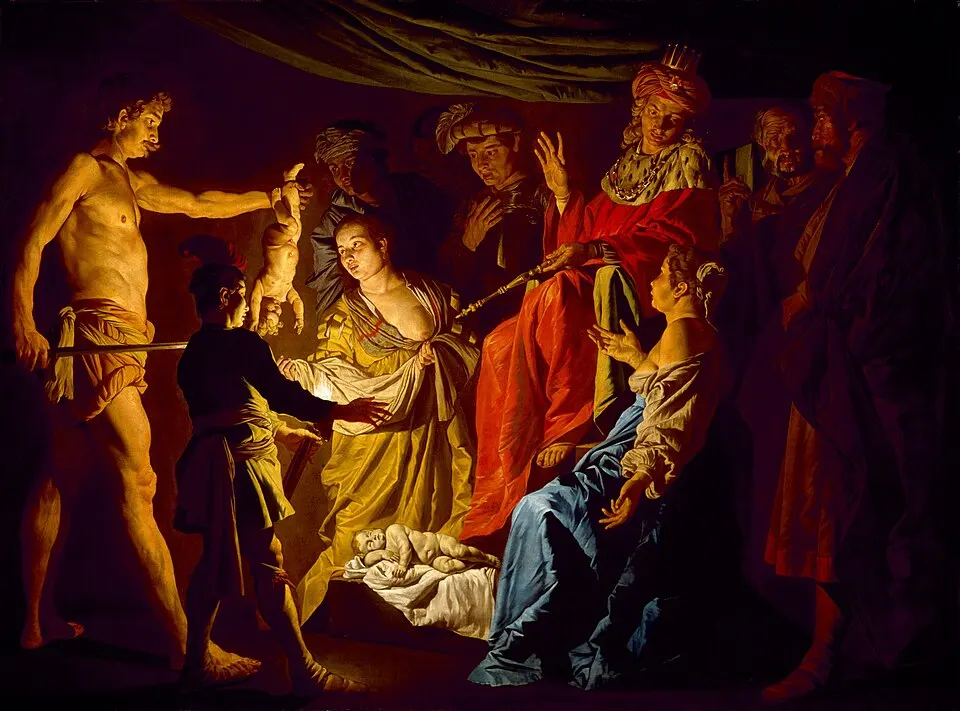
Artwork 1 · Saint Mark the EvangelistA king, two women and a disputed child form the scene of Solomon’s judgement. The figures’ gestures help explain his decision.
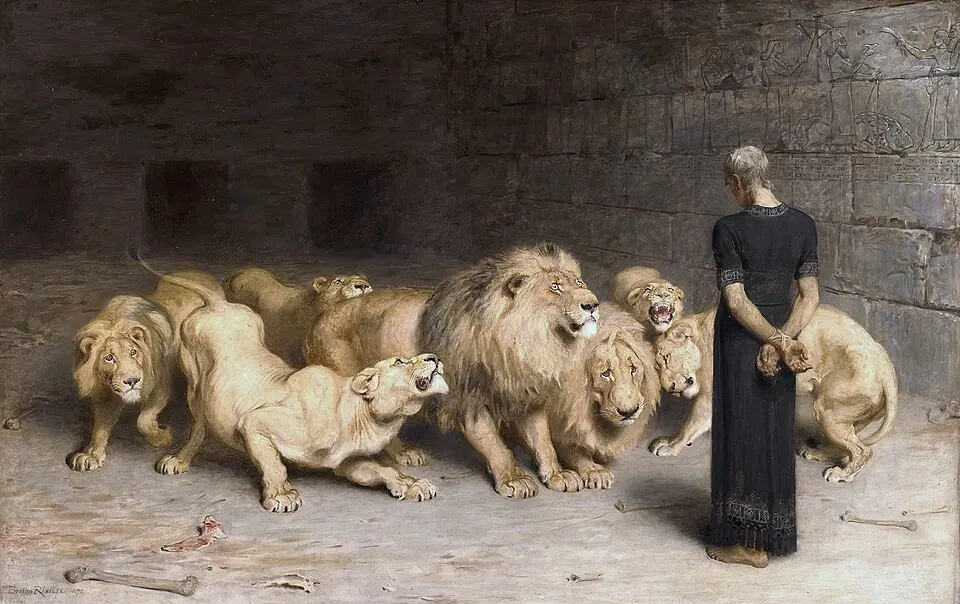
Artwork 1 · The judgment of SolomonLions gathered around a living man point to Daniel in the den. Their stillness or restless movement can shape the mood of the scene.
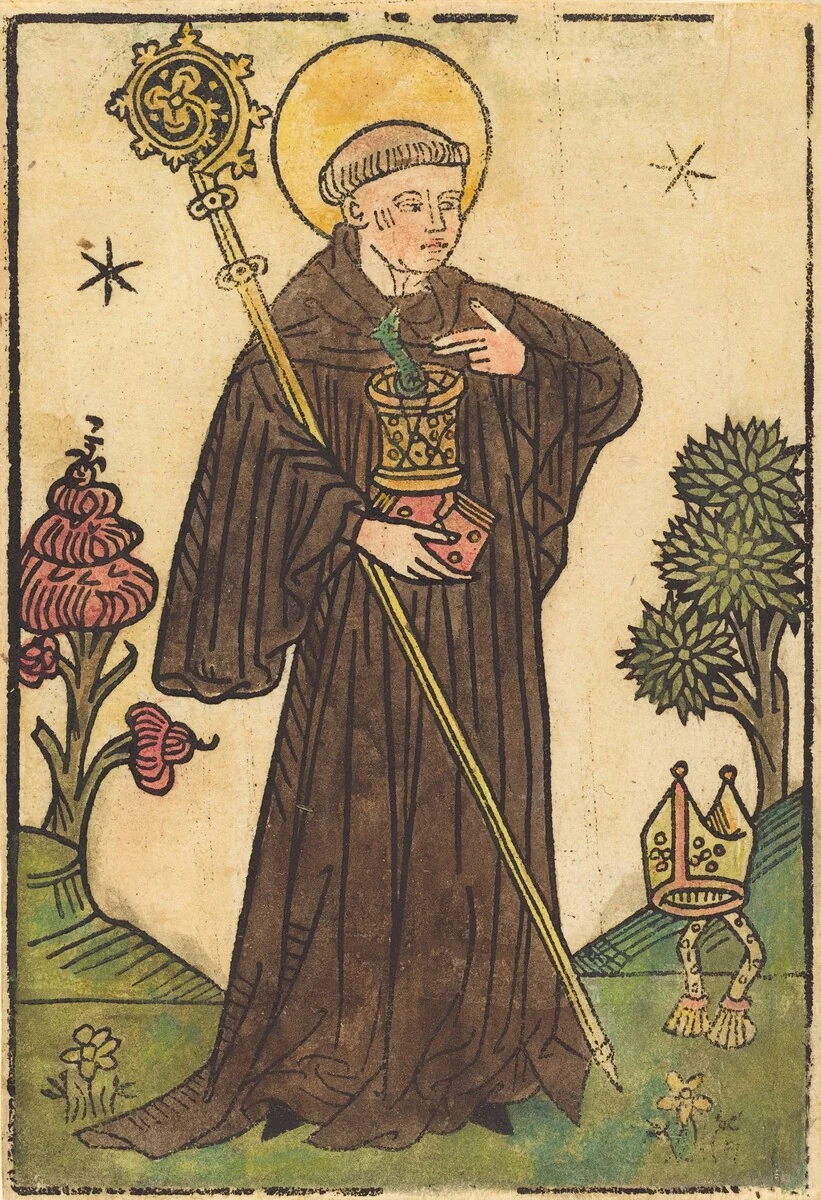
Artwork 1 · Daniel in the lions’ denA monastic rule, an abbot’s crozier and the cup from a story about poison help identify Benedict of Nursia.
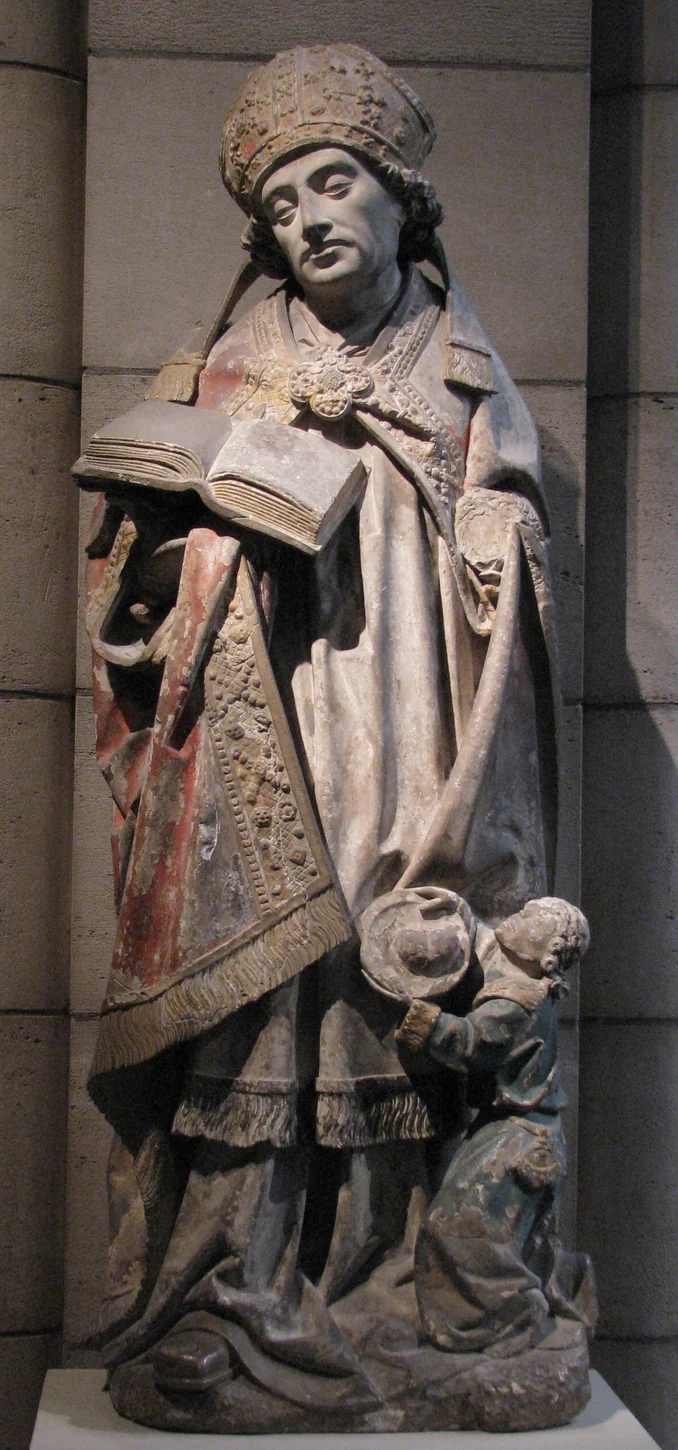
Artwork 1 · Saint BenedictThe bishop of Hippo often appears with a book and a heart, an emblem of the spiritual search he recounts in Confessions.
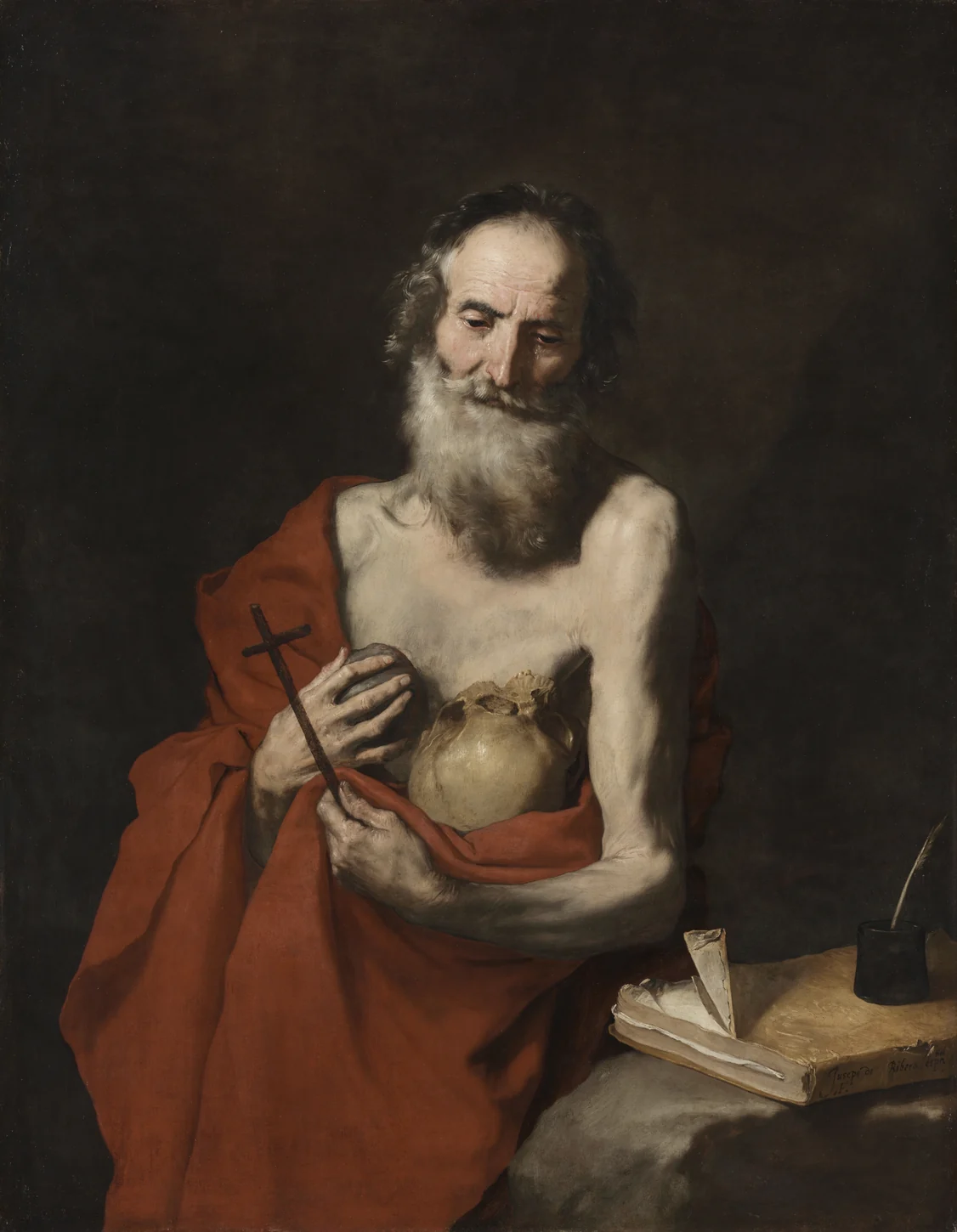
Artwork 1 · Saint AugustineA lion, a scholar’s book or a skull can lead you to Jerome, whose work helped shape the Latin Bible known as the Vulgate.
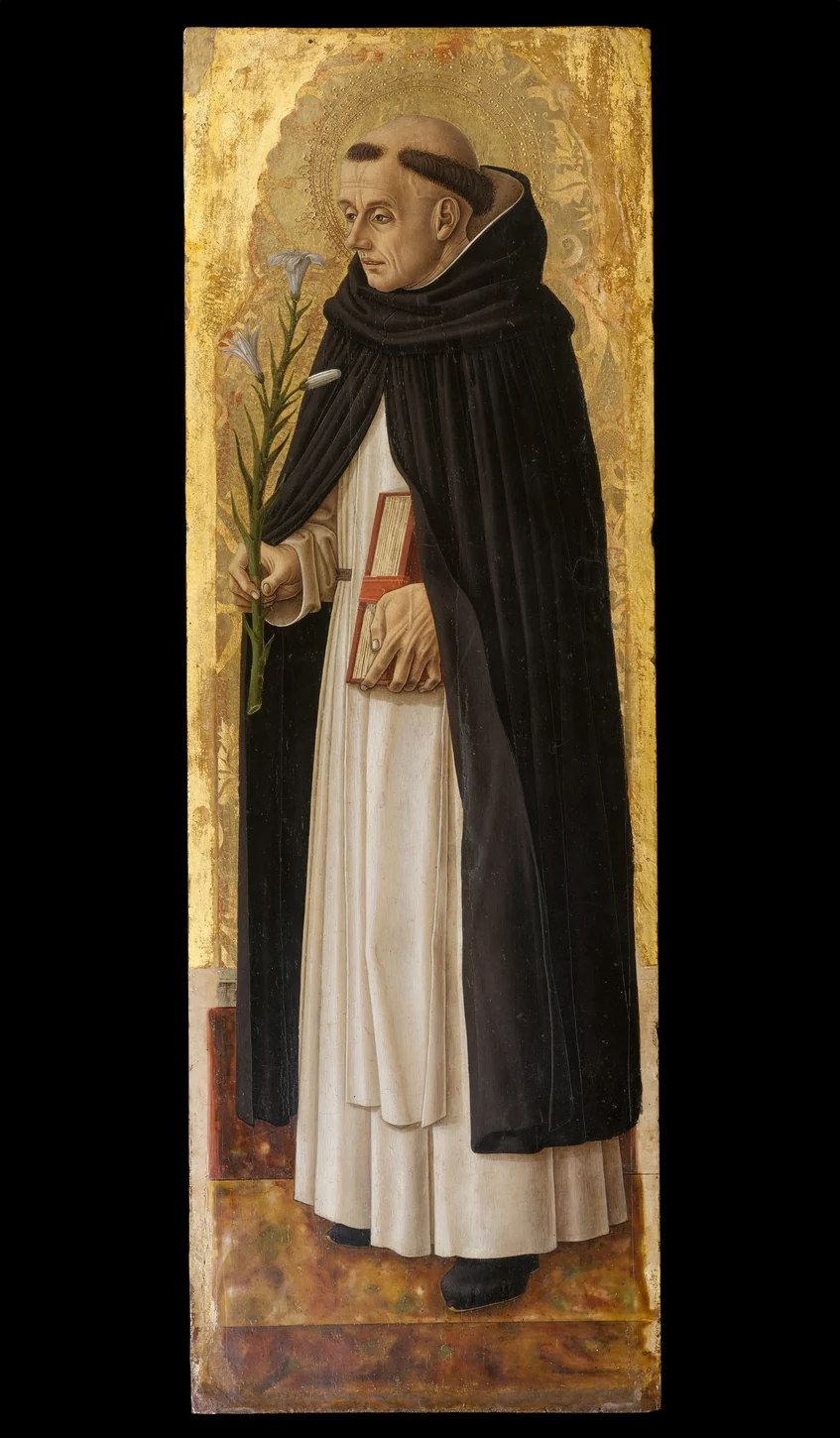
Artwork 1 · Saint JeromeLook for the founder of the Dominicans in a white habit and dark cloak, often holding a lily and a book.
Artwork 1 · Saint DominicA gold sun on the chest and an open book distinguish this Dominican theologian in many Renaissance images.
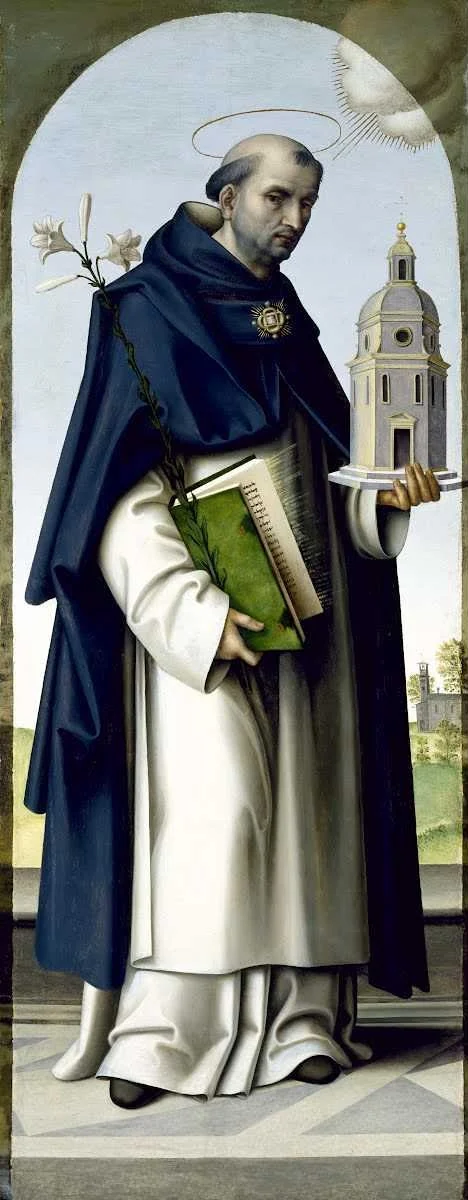
Artwork 1 · Saint Thomas Aquinas