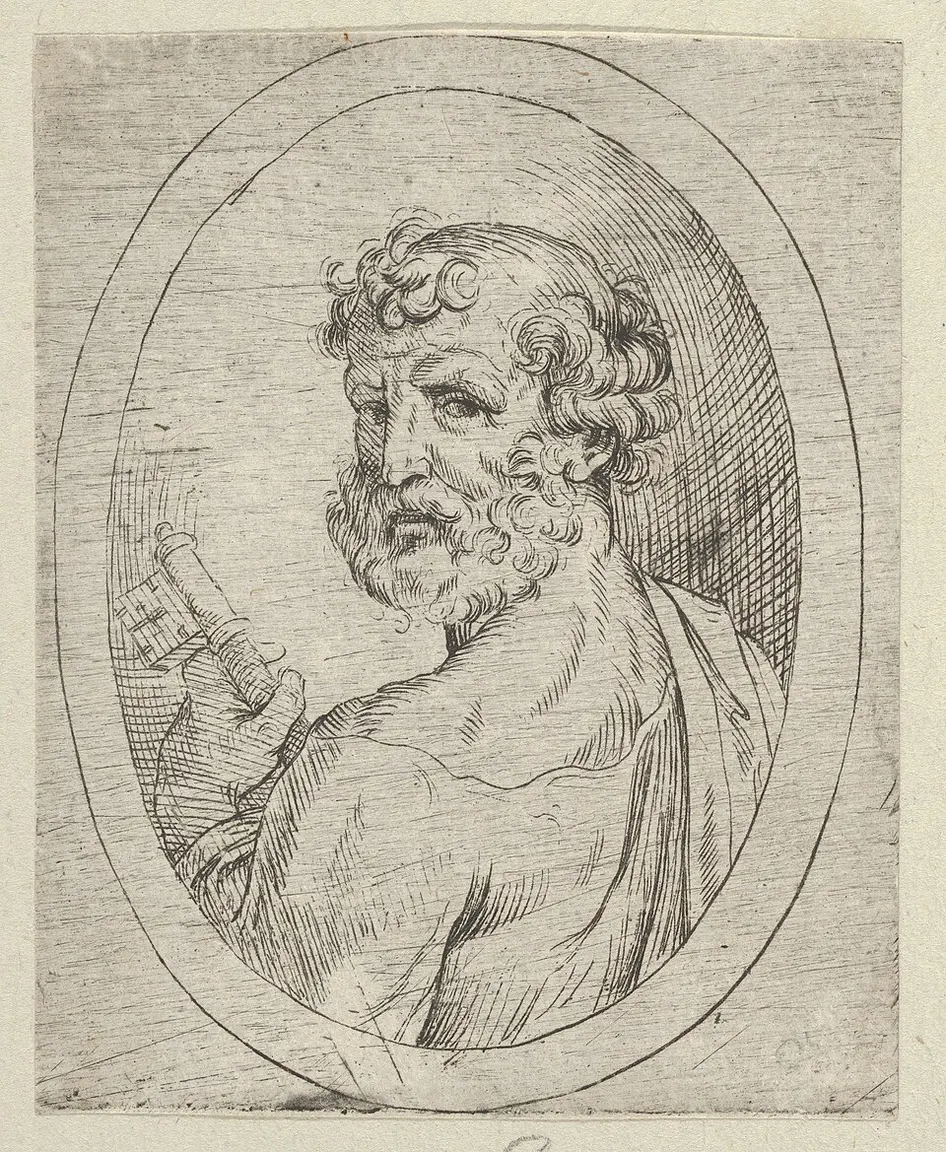
Look for the keys. In scenes of the denial, a rooster or Peter’s hands drawn to his chest can identify the same apostle.
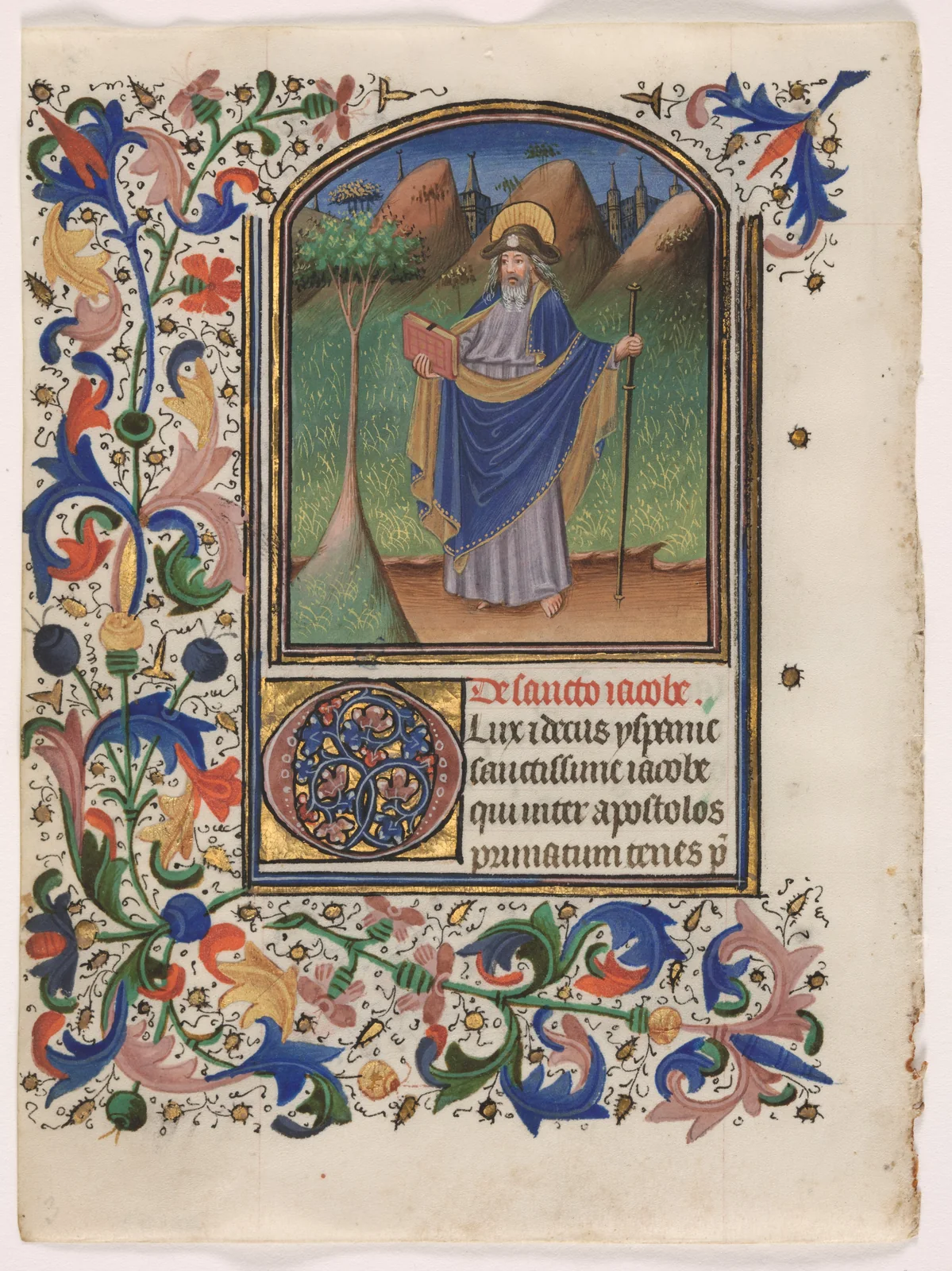
Artwork 1 · Saint Peter with a key, from Christ, the Virgin and Thirteen ApostlesA scallop shell on a hat or cloak and a pilgrim’s staff connect James with the road to Compostela.
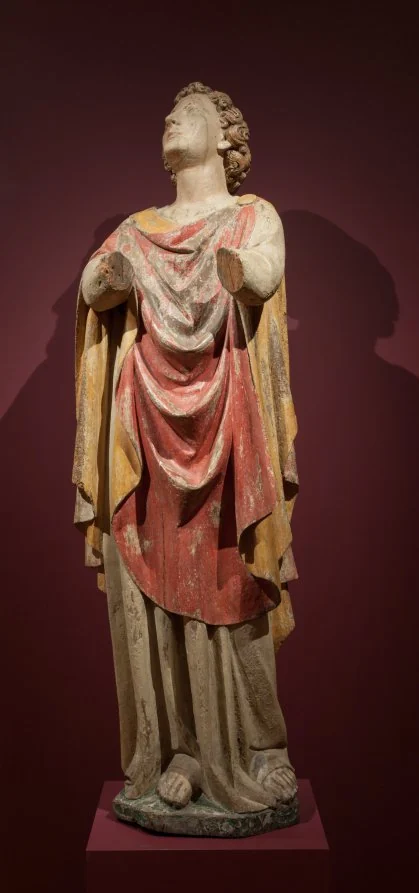
Artwork 1 · Saint James the Greater in a book of hoursAn eagle beside a writer identifies John the Evangelist. A chalice, sometimes with a serpent emerging, belongs to another tradition about him.
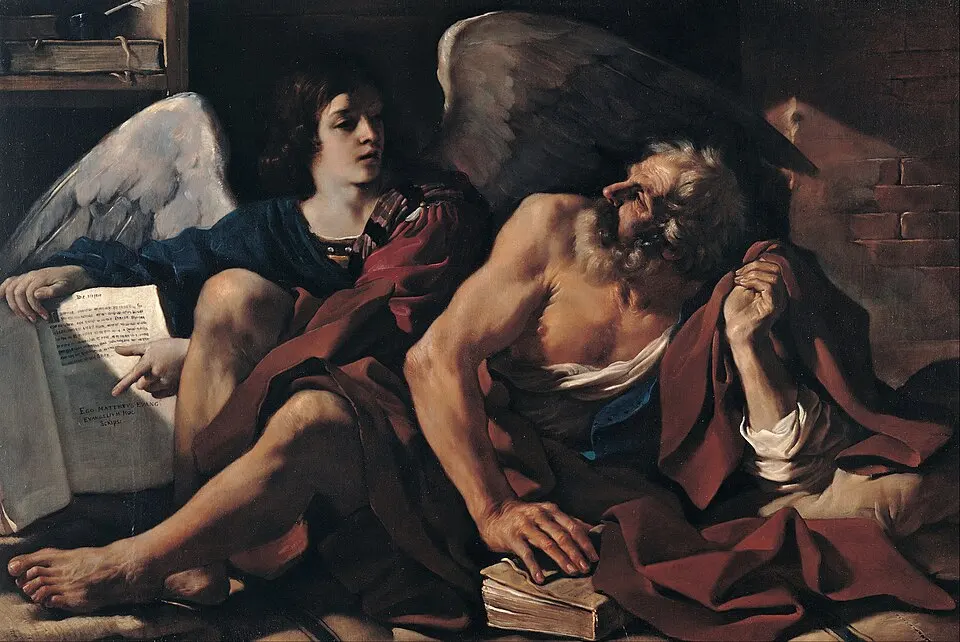
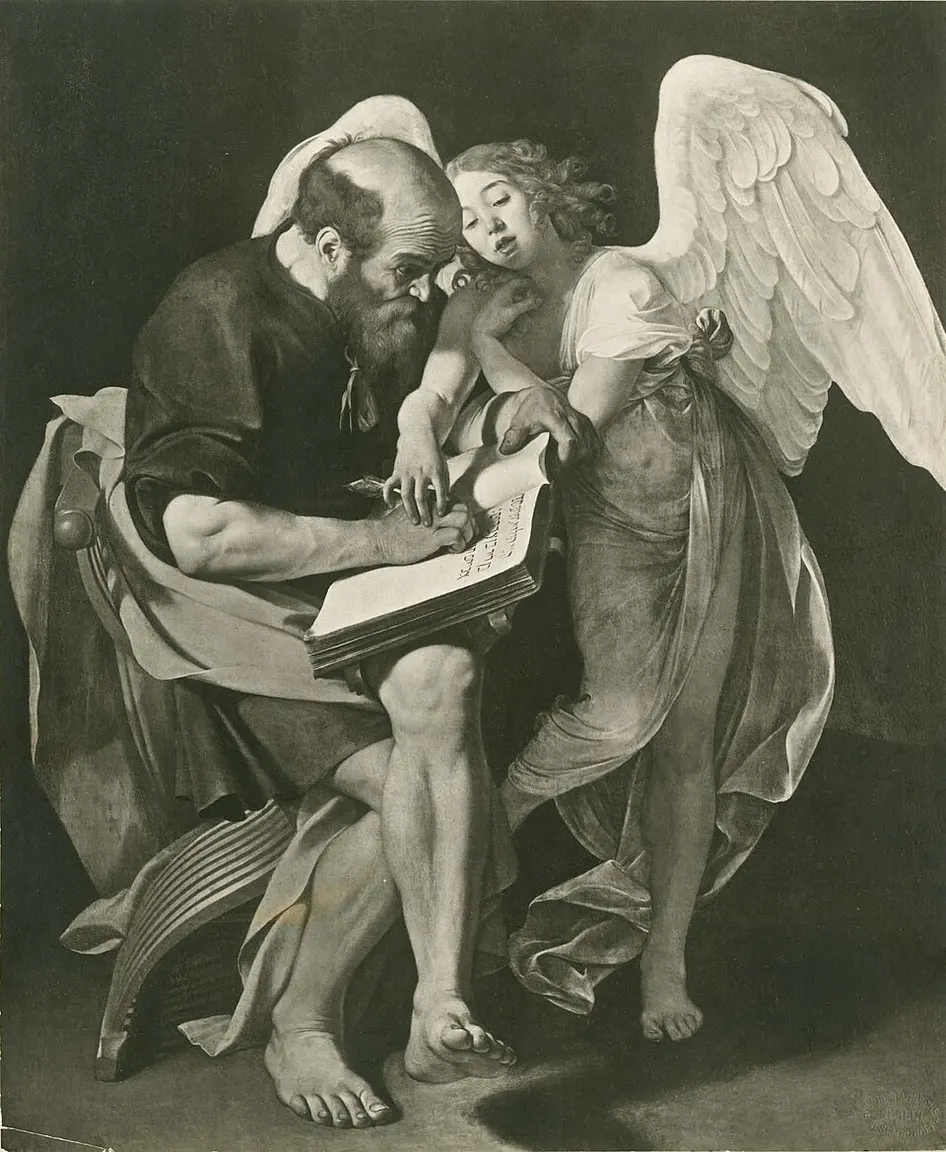
Artwork 1 · Saint John the EvangelistLook beside the writing desk. Matthew’s companion is a winged human figure, which helps distinguish him from the other evangelists.
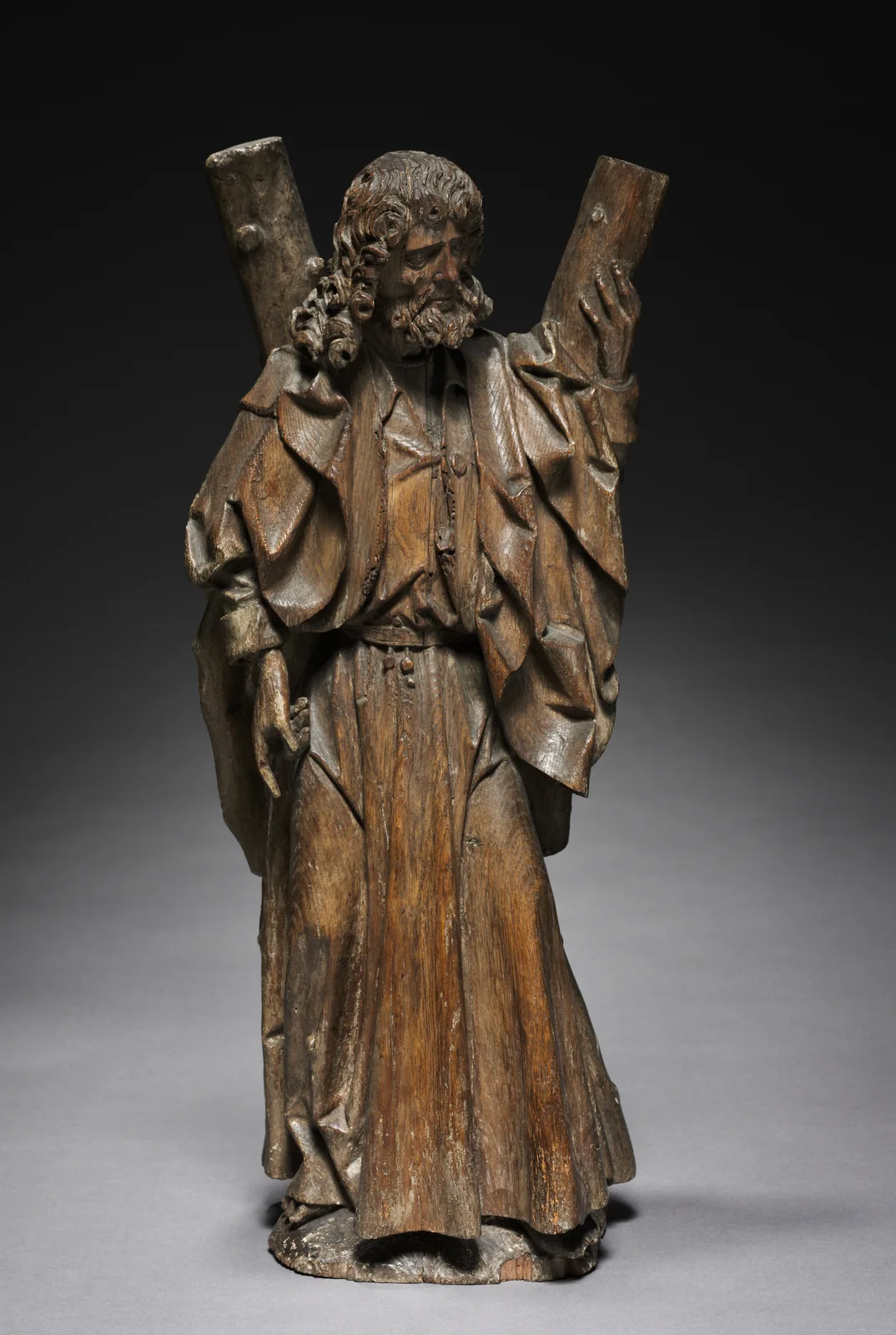
Artwork 1 · Saint Matthew and the angelTwo beams crossing diagonally form Andrew’s saltire. In scenes of his calling, he may instead appear with Peter and the fishing nets.
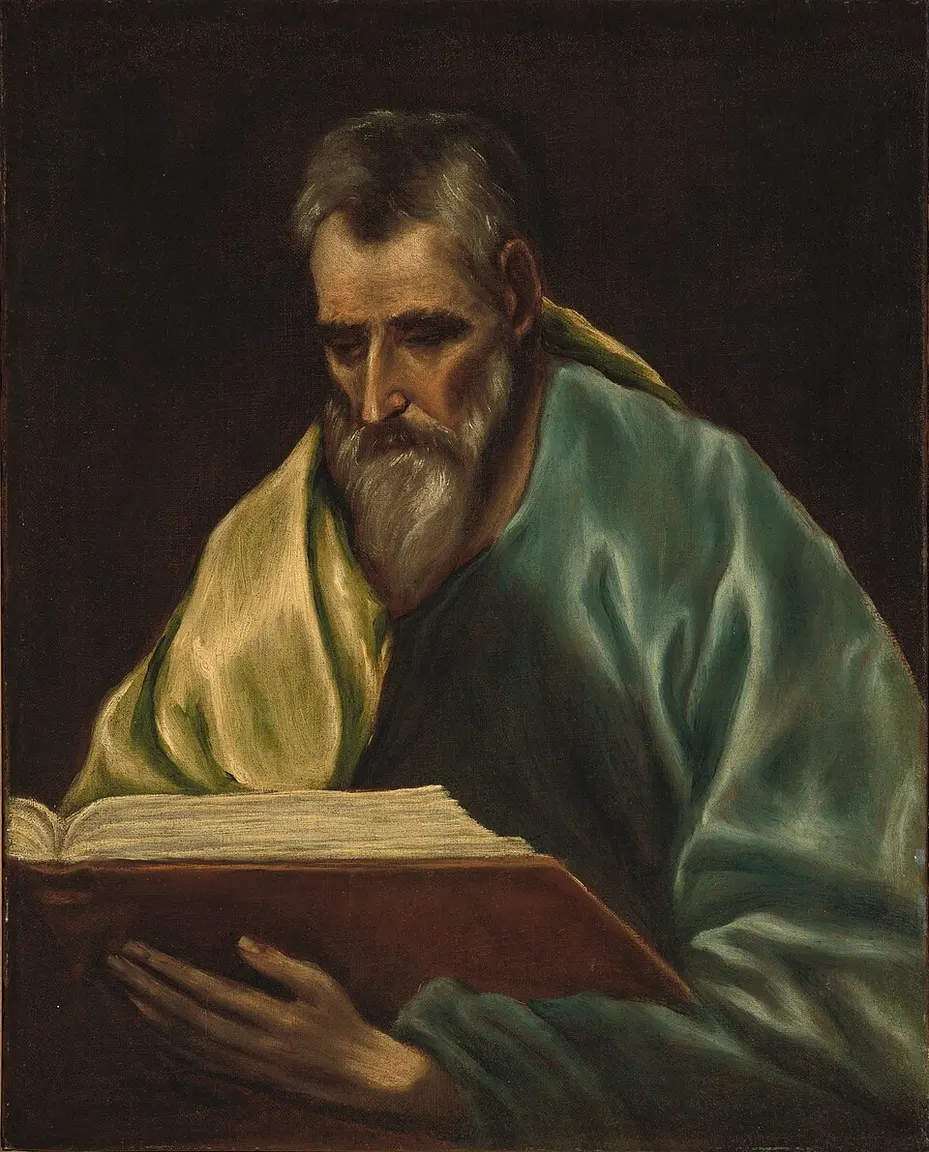
Artwork 1 · Saint AndrewA tall cross often identifies Philip in an apostle series. Bread recalls the Gospel episode in which Jesus asks him how to feed the crowd.
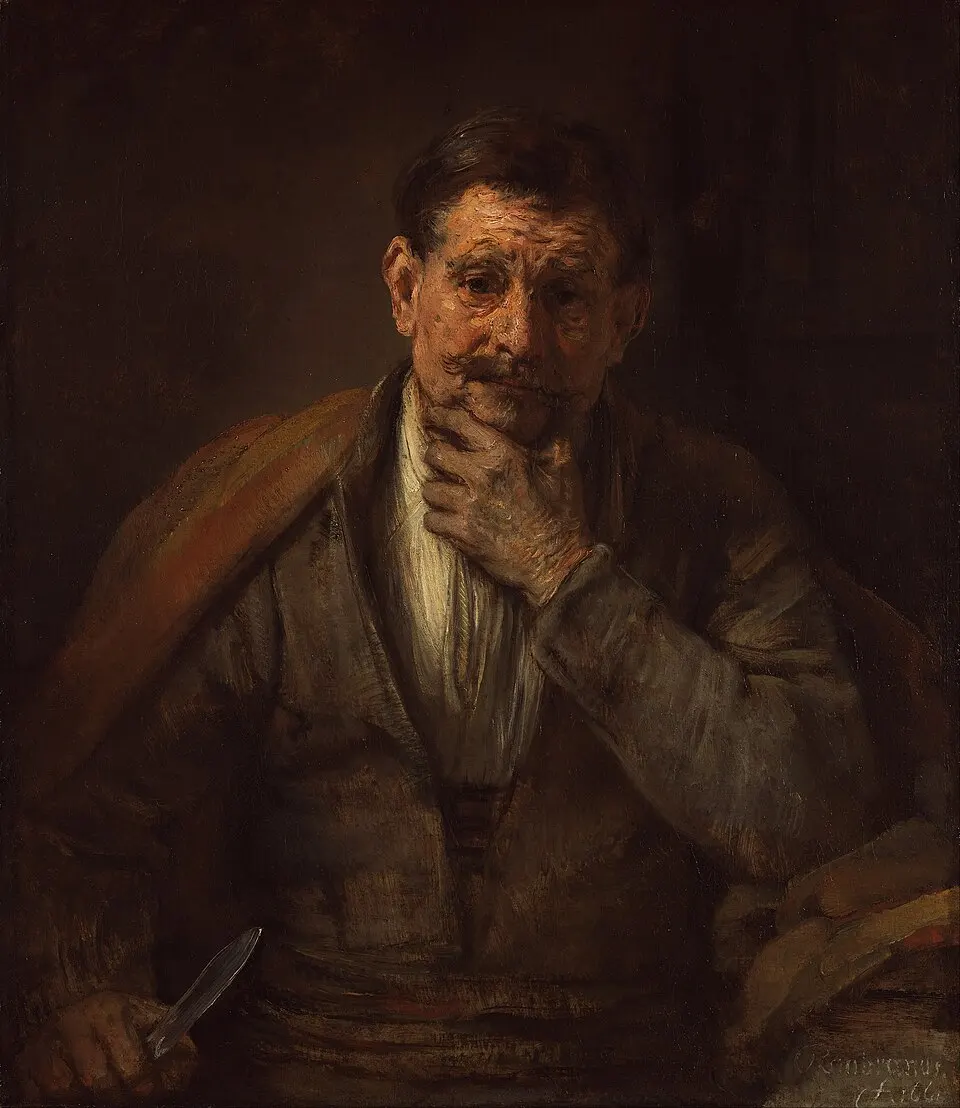
Artwork 1 · Portrait of an Apostle (Saint Philip)A knife points to the tradition of Bartholomew’s flaying. Some artists give him the blade alone, others also show the flayed skin.
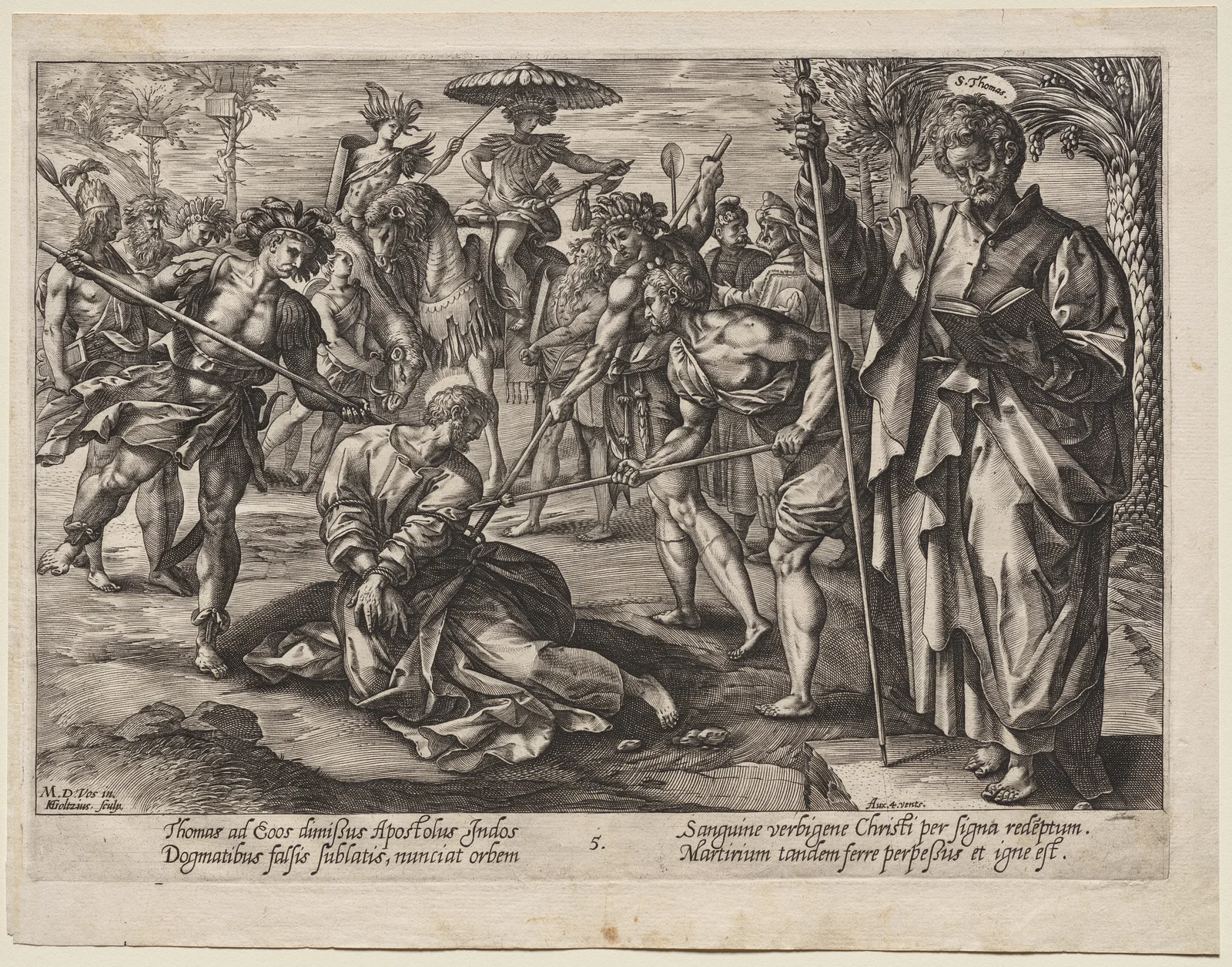
Artwork 1 · Saint BartholomewFollow Thomas’s hand towards the wound in Christ’s side. In an apostle portrait a builder’s square can identify him without the Gospel scene.
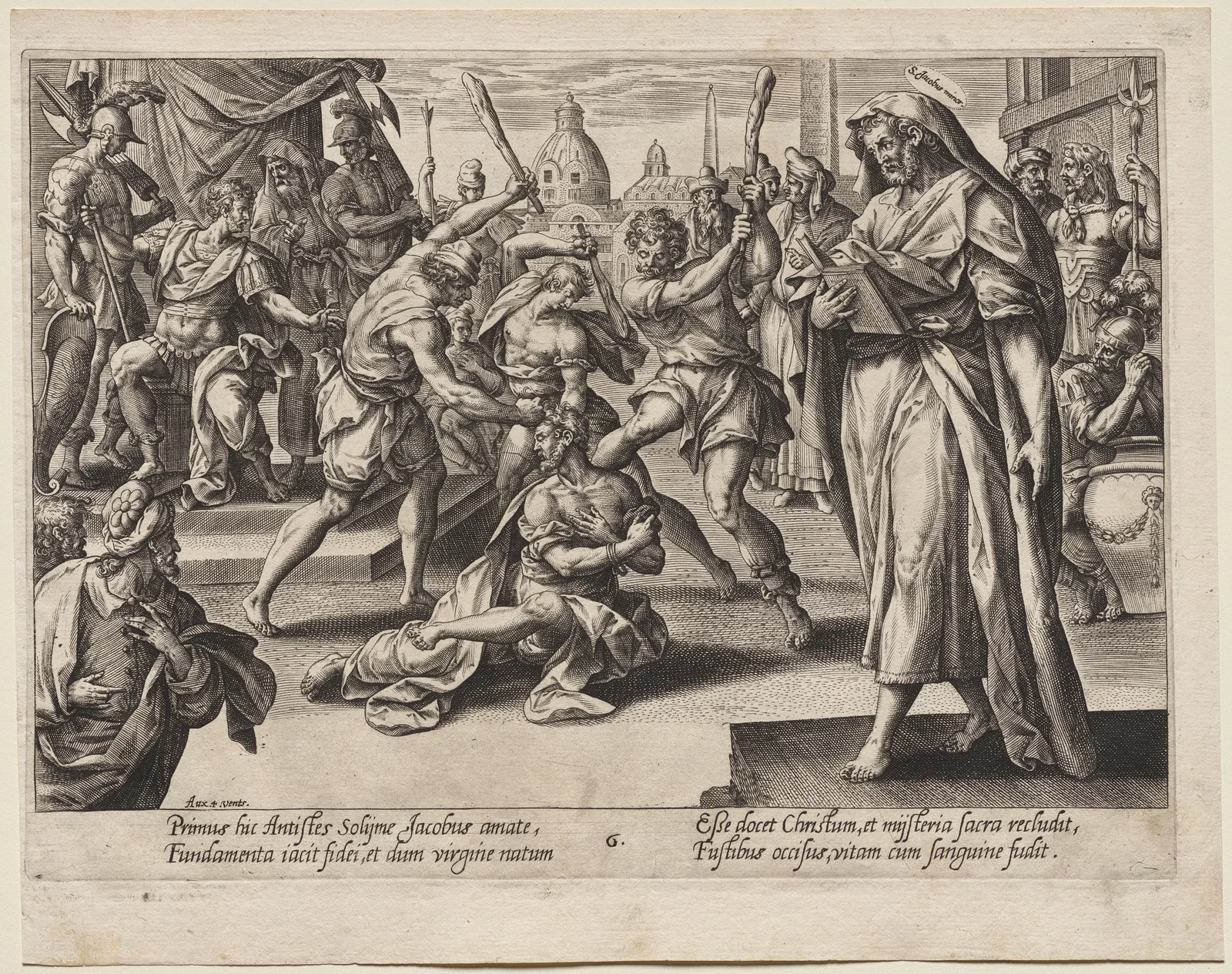
Artwork 1 · Saint ThomasA fuller’s club recalls a tradition of his martyrdom. Its heavy end helps distinguish it from the pilgrim’s staff of James the Greater.
Artwork 1 · Saint James the Less