Tablets of the Law
Two stone tables of the Decalogue—rectangular slabs with commandment hints.
Old Testament
Moshe
Moses is the prophet and leader of Israel to whom biblical tradition attributes the departure from Egypt and transmission of the Law. In art, stone tablets often distinguish him from other prophets.
Iconographic Attributes
Exodus 32 recounts that Moses descends Sinai, finds the people before the golden calf and breaks the tablets. Exodus 34 describes their renewal. These are different episodes: receiving, displaying and breaking the tablets are not the same action.
Moses’s luminous face after speaking with God generated different artistic conventions. The linguistic relationship between radiance and horns, transmitted through the Latin translation, explains the horned forms in some images. They are not signs of a demonic identity.
What moment does Moses’s gesture suggest in Rembrandt’s painting?
He raises the tablets above his head, leaving their Hebrew writing visible. The tension in his arms connects the image with the breaking of the tablets. Describe the gesture first; the title and narrative help establish its meaning.
Two stone tables of the Decalogue—rectangular slabs with commandment hints.
Long white beard of venerable prophet—paired with Aaron only when both in narrative.
Lily staff or prophet's rod
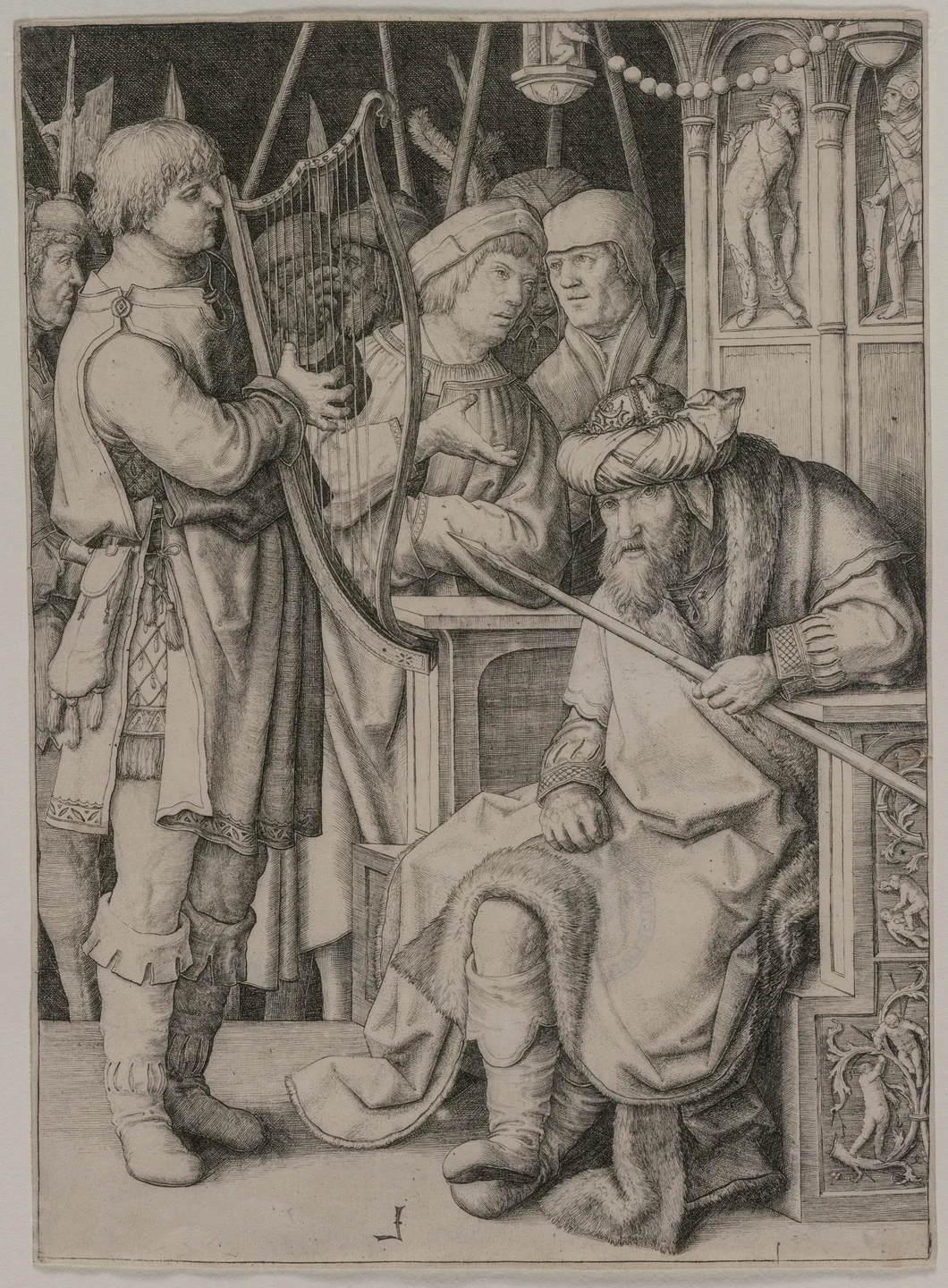
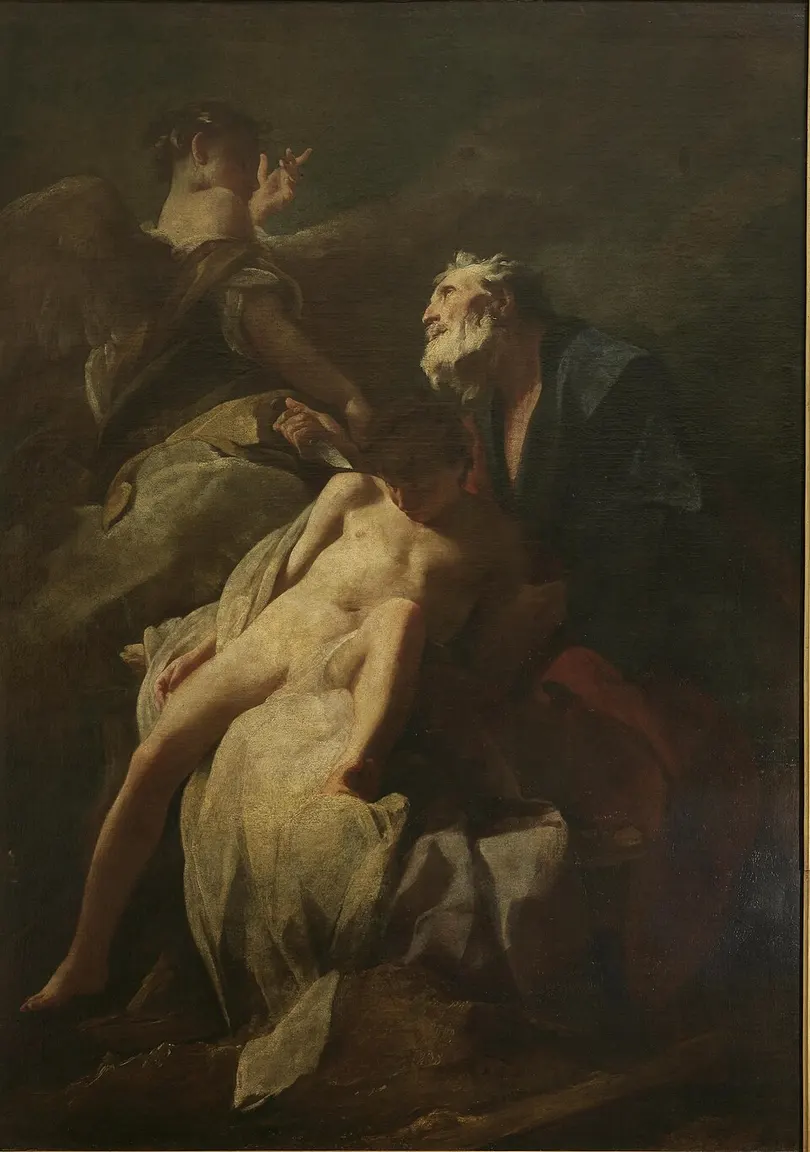
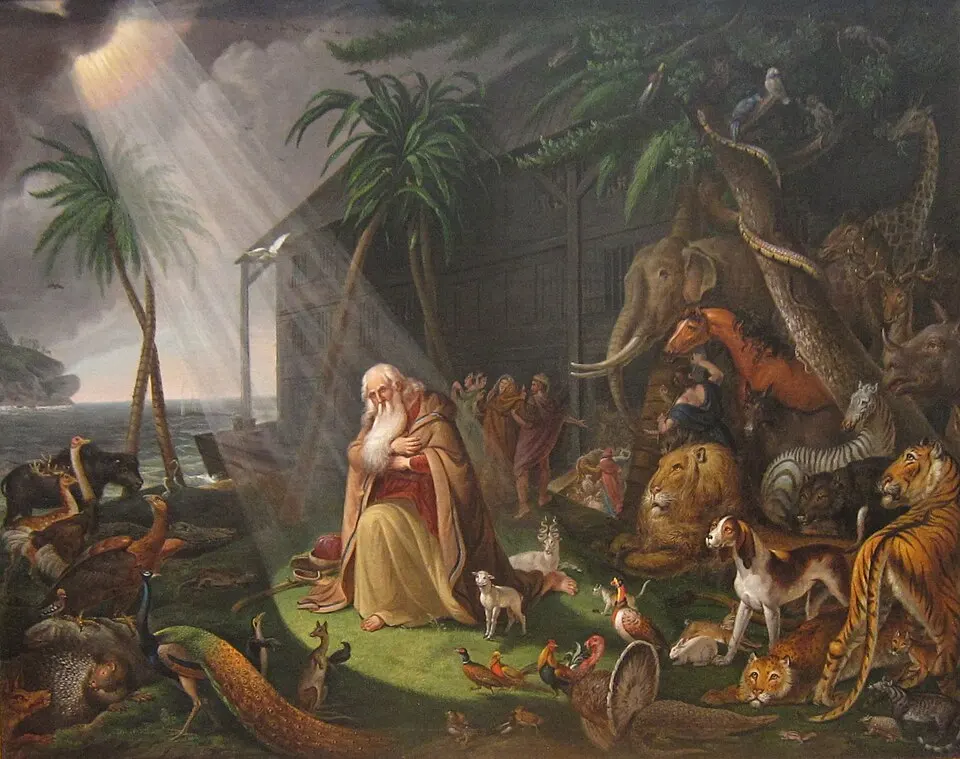
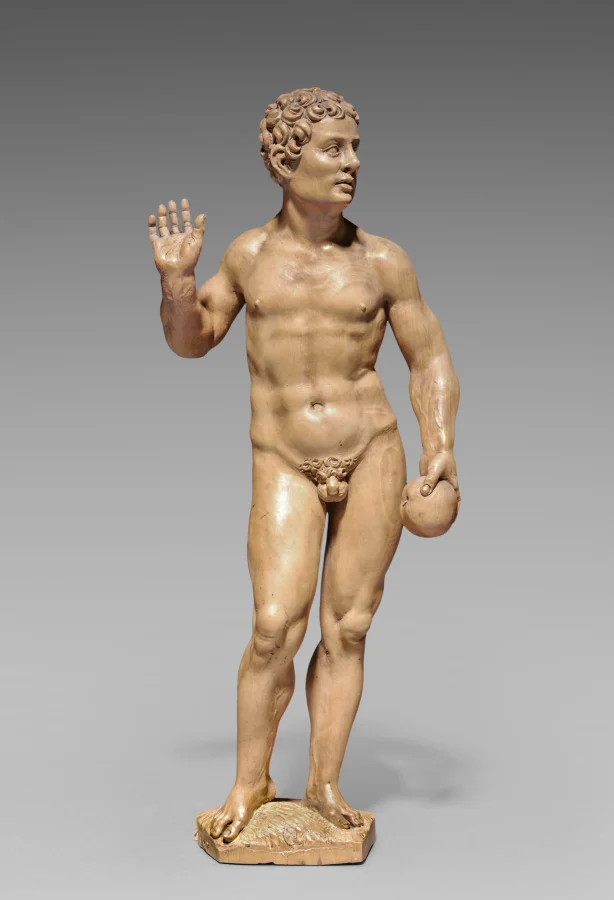
4 of 4 works
Because of a tradition of translating and interpreting Exodus 34, where his face shines. Horns and rays are related visual solutions; the entire tradition should not be attributed to an invention by Michelangelo.
No. In scenes such as the burning bush or the crossing of the sea, actions and companions identify him. Portrait attributes do not have to appear in every episode.
Reviewed on