Sacred Halo
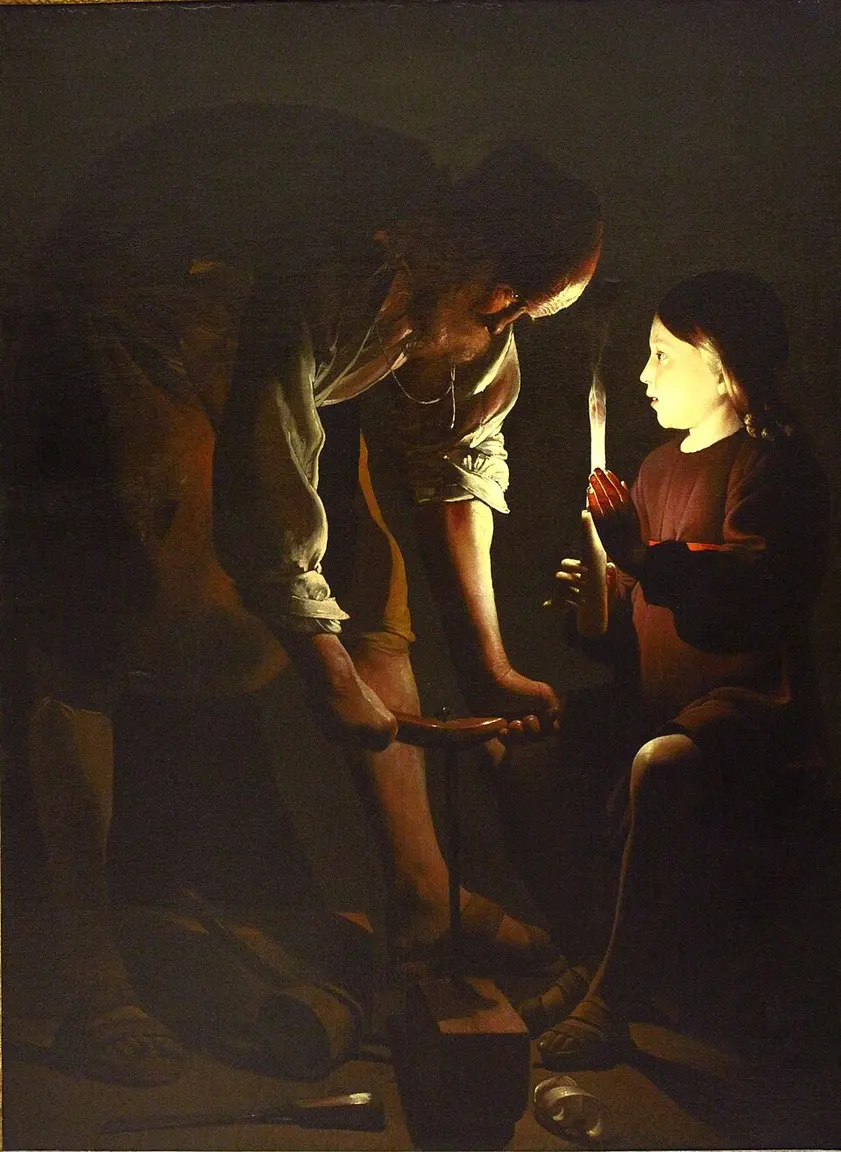
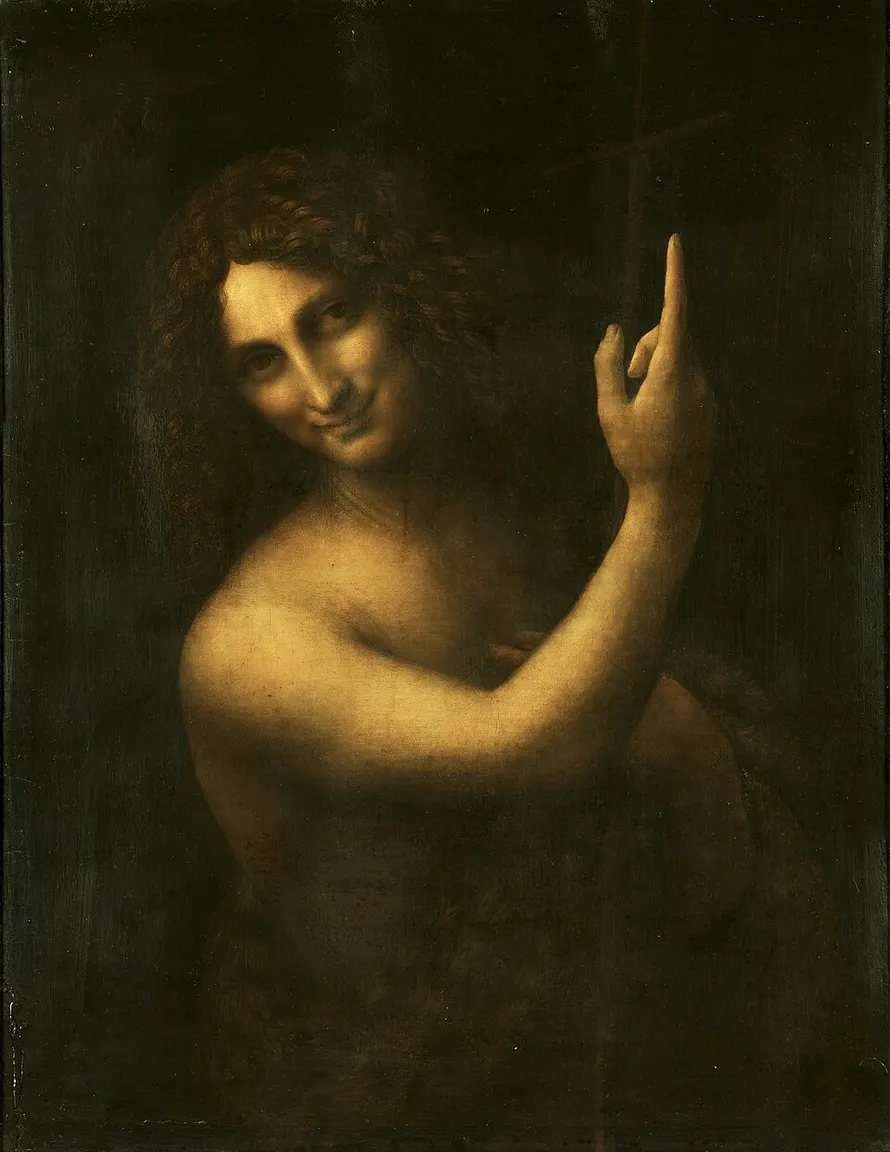
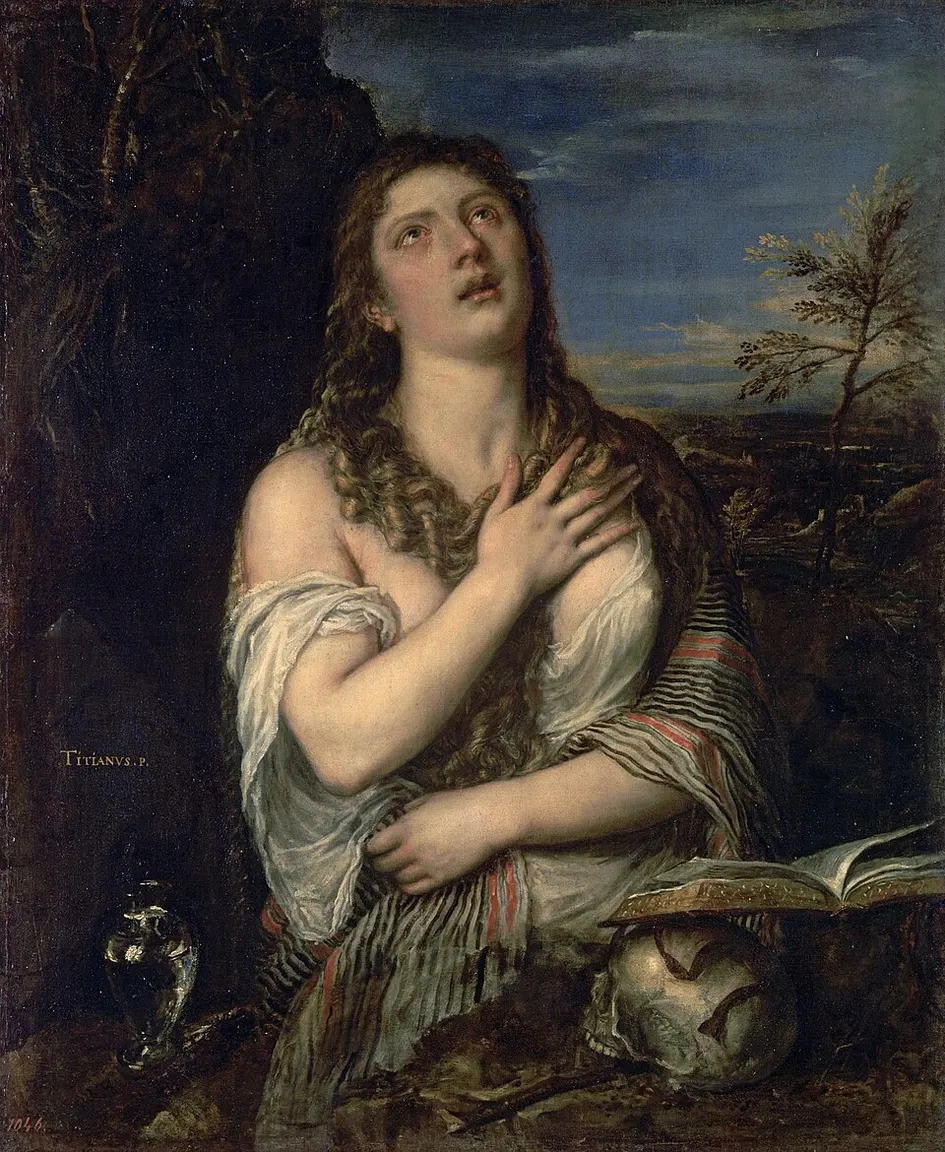
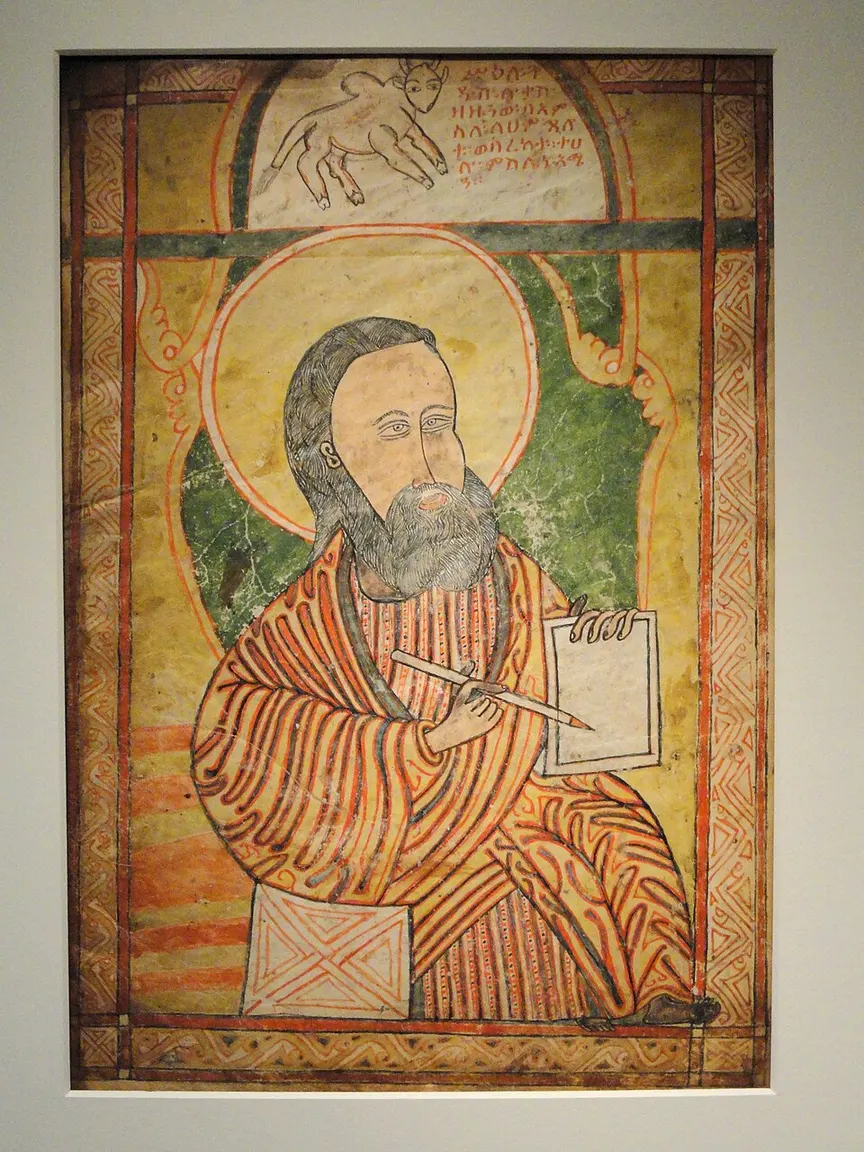
Cruciform nimbus = divine nature; simple halo may appear in transitional works—read context.
New Testament
Christ
Jesus of Nazareth is the central figure of Christianity, recognised by Christians as the Messiah and Son of God. His images represent different episodes and meanings, from infancy to the Passion and Resurrection.
Iconographic Attributes
John 19 recounts Pilate presenting Jesus after his scourging, crowned with thorns. The Latin words of that presentation give the Ecce Homo its name. The subject may include a crowd or concentrate on Christ alone.
Matthew 27 also describes the reed and cloak with which soldiers mock his kingship. Devotional painting brings these signs together to encourage contemplation of suffering. The resulting image is not a portrait made from life.
Which objects place Andrea Solari’s Christ within the Passion?
The crown of thorns, reed crossing his torso and red cloak form the decisive combination. He is not shown nailed to a cross: the image concentrates attention on the humiliated Christ, presented close to the viewer.
Cruciform nimbus = divine nature; simple halo may appear in transitional works—read context.
Passion, baptismal staff, or triumph
Royalty, nobility, or sanctity
Gospel book in teacher Christ or Salvator Mundi with orb.
4 of 4 works
No. The title relates to Pilate’s presentation of Jesus before the Crucifixion. Both subjects belong to the Passion, but they represent different moments.
No. It is a convention shared with many figures. Examine the halo, objects, gestures and scene; the catalogue title helps establish the type of representation.
Reviewed on